Home /
Blog /
The Economics of Premium Whisky: Why Indian Single Malts Are Gaining Value
Posted on 11 June 2026
The Economics of Premium Whisky: Why Indian Single Malts Are Gaining Value
Introduction: Value Beyond the Bottle
The global whisky market has always been driven by more than just taste. Pricing, perception, scarcity,
and positioning all play a role in determining value. In recent years, Indian single malt has begun to
shift its place within this economic landscape.
Once considered a developing category, single malt whisky from India is now gaining value—not just in
terms of price, but in terms of perception, demand, and long-term potential.
Understanding the economics behind this rise reveals why single malt whiskey from India is becoming
increasingly relevant in premium markets.
What Defines Value in Premium Whisky?
More Than Cost
Value in single malt is determined by:
- Quality of production
- Brand positioning
- Consumer perception
Experience as Currency
Modern consumers evaluate single malt whisky based on:
- Flavor profile
- Story and origin
- Overall experience
The Rise of Indian Single Malt in Premium Segments
Moving Up the Market
Over the past decade, Indian single malt whisky has:
- Entered premium price brackets
- Improved production standards
- Built stronger brand identities
Changing Perception
This has allowed single malt whiskey from India to be seen as:
- High-quality
- Competitive
- Globally relevant
Supply and Demand Dynamics
Limited Production
Compared to mass-market spirits, Indian single malt is:
- Produced in smaller quantities
- Controlled in output
- Limited in availability
Growing Demand
At the same time, demand for single malt whisky is:
- Increasing globally
- Expanding across new markets
- Driven by consumer curiosity
The Role of Climate in Economic Value
Faster Maturation
India’s climate allows single malt whiskey to:
- Mature faster
- Develop flavour more quickly
- Reach market readiness sooner
Impact on Pricing
This influences Indian single malt economics by:
- Reducing long-term storage costs
- Allowing quicker turnover
- Maintaining premium positioning
Premium Positioning and Brand Strategy
Building Perception
Brands position single malt whisky through:
- Packaging
- Storytelling
- Market placement
Value Through Identity
For Indian single malt, this means:
- Highlighting origin
- Emphasizing craftsmanship
- Differentiating from global competitors
Global Market Expansion
Entering New Markets
Indian single malt whisky is increasingly:
- Exported internationally
- Featured in global bars
- Recognized in premium segments
Increasing Demand
This global exposure raises the value of single malt whiskey by:
- Expanding consumer base
- Building recognition
- Strengthening positioning
Consumer Willingness to Pay
Shifting Mindsets
Consumers are now more willing to pay for single malt that offers:
- Unique flavour
- Authentic origin
- Distinct experience
Indian Single Malt Advantage
This benefits Indian single malt whisky, as it:
- Offers differentiation
- Provides new experiences
- Aligns with modern preferences
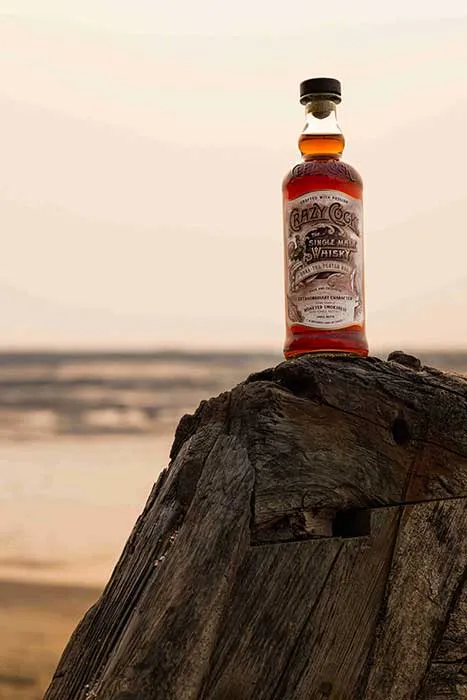
Crazy Cock Single Malt Whisky
Crazy Cock and Premium Value Creation
Structured Positioning
Crazy Cock’s Indian single malt reflects:
- Defined flavour profiles
- Consistent quality
- Premium presentation
Portfolio Strength
Expressions such as Madhuca I, Madhuca II, Madhuca III, Dhua, and Rare demonstrate how single malt whisky
can build value through variety, identity, and controlled production.
Scarcity and Perceived Value
Limited Availability
In premium segments, scarcity plays a role in:
- Increasing demand
- Enhancing perception
- Supporting pricing
Controlled Supply
Indian single malt whiskey benefits from:
- Limited releases
- Small-batch production
- Growing interest
Investment and Long-Term Value
Emerging Investment Category
While still developing, single malt whisky from India is:
- Attracting attention from collectors
- Building long-term value
- Gaining recognition
Future Potential
Over time, Indian single malt may:
- Increase in valuation
- Strengthen global demand
- Expand its premium footprint
Challenges in Value Growth
Market Education
To sustain growth, single malt whisky from India must:
- Build awareness
- Educate consumers
- Strengthen positioning
Maintaining Quality
Consistency remains critical for Indian single malt to:
- Retain trust
- Support premium pricing
- Ensure long-term value
The Future of Premium Whisky Economics
Increasing Competition
As more regions enter the category, single malt whiskey will:
- Face greater competition
- Require stronger differentiation
- Demand consistent quality
Indian Single Malt’s Role
Indian single malt whisky is positioned to:
- Expand its global presence
- Build premium recognition
- Influence future pricing trends
Conclusion: Value Built on Identity and Demand
The rise of Indian single malt in premium markets is not accidental—it is driven by a combination of
quality, positioning, and changing consumer preferences.
As demand continues to grow, single malt whisky from India is gaining value not just in price, but in
perception and relevance. With strong brand positioning and increasing global recognition, single malt
whiskey is becoming an important part of the premium whisky economy.
Because in today’s market, value is not just created—it is earned through consistency, identity, and
experience.