Crazy Cock

Single Malt vs Blended Malt:

Understanding the Difference

Home / Blog / Single Malt vs Blended Malt: Understanding the Difference
Updated on 01 June 2026

Single Malt vs Blended Malt: Understanding the Difference

Introduction: Why This Distinction Matters

For anyone exploring whisky seriously, understanding categories is not optional—it’s essential.

One of the most commonly misunderstood distinctions is between single malt whisky and blended malt. At first glance, both are made from malted barley, which makes them seem similar. But the real difference lies in origin, identity, and how flavour is constructed.

For those discovering Indian single malt, this distinction becomes even more important. It helps you understand what you are drinking, why it tastes the way it does, and how craftsmanship shapes the final spirit.

What Exactly Is Single Malt Whisky?

A Clear Definition

A single malt whisky is defined by three key factors:

  • It is made from 100% malted barley
  • It is produced at a single distillery
  • It follows a consistent production philosophy

The word “single” refers to one distillery—not a single barrel or batch.

Why Origin Matters

Because single malt whiskey comes from one place, it carries:

  • A distinct production style
  • A consistent flavour direction
  • A clear identity

Every single malt reflects the decisions, techniques, and environment of that specific distillery.

Also Read How Barrel Toasting and Charring Affect Whisky Flavor

Understanding Blended Malt Whisky

What “Blended Malt” Means

Blended malt whisky is also made from malted barley, but:

  • It combines whiskies from multiple distilleries
  • It is blended to achieve a specific profile
  • It focuses on balance rather than individuality

The Purpose of Blending

Blending is not random—it is intentional. It allows producers to:

  • Combine strengths of different whiskies
  • Smooth out extremes
  • Create a consistent taste experience

The Core Difference: Identity vs Composition

Single Malt Whisky = Identity

With single malt whisky, the focus is on:

  • A singular voice
  • A defined character
  • A consistent house style

You are tasting the philosophy of one distillery.

Blended Malt = Composition

With blended malt, the focus shifts to:

  • Harmony across multiple sources
  • Layering of flavours
  • A curated end result

You are tasting a combination rather than a single origin.

Flavor Profile Differences

Single Malt Whisky Experience

A single malt whisky typically delivers:

  • A clear flavour direction
  • Structured aroma and finish
  • A strong sense of identity

Because it is not blended across sources, the profile is more focused.

Blended Malt Experience

Blended malt often offers:

  • A smoother, more rounded profile
  • Greater balance across flavours
  • Less intensity in any one direction

It is designed to be cohesive rather than distinctive.

Why Indian Single Malt Changes the Conversation

A Different Environment

Indian single malt introduces new variables:

  • Warmer conditions
  • Different maturation dynamics
  • Distinct flavour development

This means single malt whiskey produced in India often expresses itself differently compared to colder-climate counterparts.

Stronger Identity

Because of these conditions, Indian single malt tends to:

  • Develop bold, defined characteristics
  • Show pronounced flavour evolution
  • Deliver a more intense experience

This makes the “single” in single malt whisky even more meaningful.

Craftsmanship vs Control

Single Malt Approach

In single malt whisky, the distillery focuses on:

  • Precision in production
  • Consistency in process
  • Maintaining a clear identity

There is less room to “correct” flavour through blending.

Blended Malt Approach

Blended malt allows:

  • Greater flexibility
  • Adjustments through combination
  • Control over final taste

It is more about composition than strict process consistency.

Which One Is Better?

It Depends on the Experience You Want

There is no universal “better”—only preference.

Choose single malt whisky if you want:

  • A distinct flavour identity
  • A deeper understanding of one style
  • A more structured tasting experience

Choose blended malt if you prefer:

  • Smoothness and balance
  • Less intensity
  • A more approachable profile

Also Read Limited Edition Whisky Bottles: Why Collectors Chase Rare Indian Single Malts

Why Single Malt Is Often Considered Premium

Focused Production

single malt whisky is often seen as premium because:

  • It reflects one distillery’s expertise
  • It requires consistency without blending
  • It highlights craftsmanship directly

Transparency of Character

With single malt, what you taste is:

  • Not adjusted through mixing
  • Not averaged across sources
  • A direct outcome of process and environment

This transparency adds to its perceived value.

The Role of Exploration

Building Your Palate

Understanding the difference helps you:

  • Identify flavour patterns
  • Recognise production styles
  • Appreciate nuances in single malt whiskey

Expanding Your Preferences

As you explore Indian single malt, you begin to:
  • Notice variations between distilleries
  • Understand what you enjoy
  • Build a more refined palate
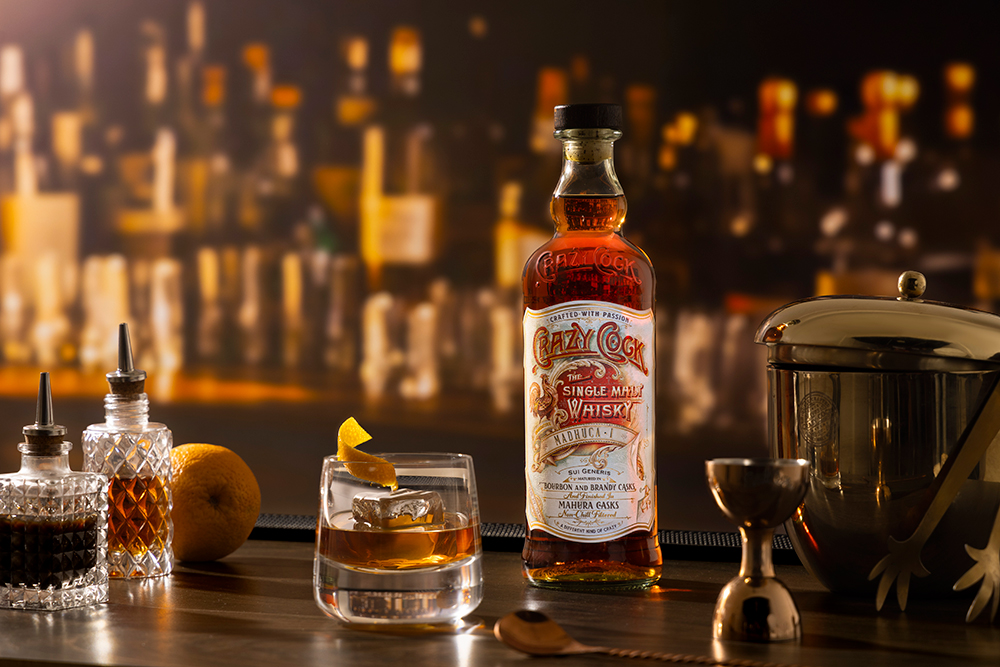
Crazy Cock - Indian single malt whisky
Crazy Cock Single Malt Whisky

Crazy Cock and the Single Malt Philosophy

A Focused Identity

Crazy Cock’s Indian single malt reflects:

  • A single distillery approach
  • A consistent flavour profile
  • A structured and refined expression

A Learning Reference

It serves as a strong example of:

  • What defines single malt whisky
  • How identity shapes flavour
  • Why origin matters in single malt

Conclusion: Knowing the Difference Changes the Experience

At a basic level, both single malt whisky and blended malt come from the same raw material. But what separates them is philosophy.

Single malt is about identity—one place, one process, one expression. Blended malt is about composition—multiple sources working together to create balance.

For those exploring Indian single malt, this distinction is even more powerful. It allows you to move beyond simply drinking whisky to truly understanding it.

Because in the world of single malt whiskey, knowing what you are tasting is just as important as tasting it.