-
Heritage Edition
-
Media
Indian single malt whisky has moved from being a niche category to a serious contender in the premium spirits space. As more brands enter the market and prices edge upward, a natural question comes up—does it really justify the cost?
The short answer: yes, but only if you understand what you’re paying for.
This isn’t just about age or branding. The value of single malt whisky in India comes from a mix of craftsmanship, climate, raw materials, and how well all of that translates into the final experience in your glass. Featured in leading whisky and business publications, India’s evolving premium single malt category reflects this shift toward quality-driven perception rather than legacy-driven pricing.
Let’s break down what actually drives the price of Indian single malt whisky.
First, raw materials. High-quality barley, whether imported or locally sourced, plays a major role. Better grain means better fermentation and ultimately better flavor.
Then comes the production process. Unlike blended whiskies, single malts are made at a single distillery using traditional methods. This includes controlled fermentation, copper pot distillation, and careful cask selection.
Cask quality is another big factor. Oak barrels—especially those previously used for sherry, bourbon, or wine—add layers of flavor. These casks aren’t cheap, and the better the cask, the higher the cost.
Now add India’s climate into the mix. Faster maturation sounds like a cost advantage, but there’s a catch. The “angel’s share” (the amount of whisky that evaporates during aging) is significantly higher in India than in cooler climates. This means distilleries lose more product over time, which pushes prices up.
Finally, production scale matters. Many Indian single malts are produced in relatively small batches. Limited output increases exclusivity, but it also raises costs.
When you put all this together, the pricing starts to make sense.
Here’s where things get interesting.
Indian single malts often sit in a price bracket that’s lower than many imported Scotch whiskies, yet the quality can be just as impressive—sometimes even more expressive, depending on your palate.
What this really means is you’re not paying for decades of storage or legacy branding. You’re paying for intensity, character, and a whisky that reflects its environment.
A well-made Indian single malt delivers bold flavors—spice, fruit, caramel, oak—in a way that feels immediate and engaging. You don’t need to search for notes; they’re right there.
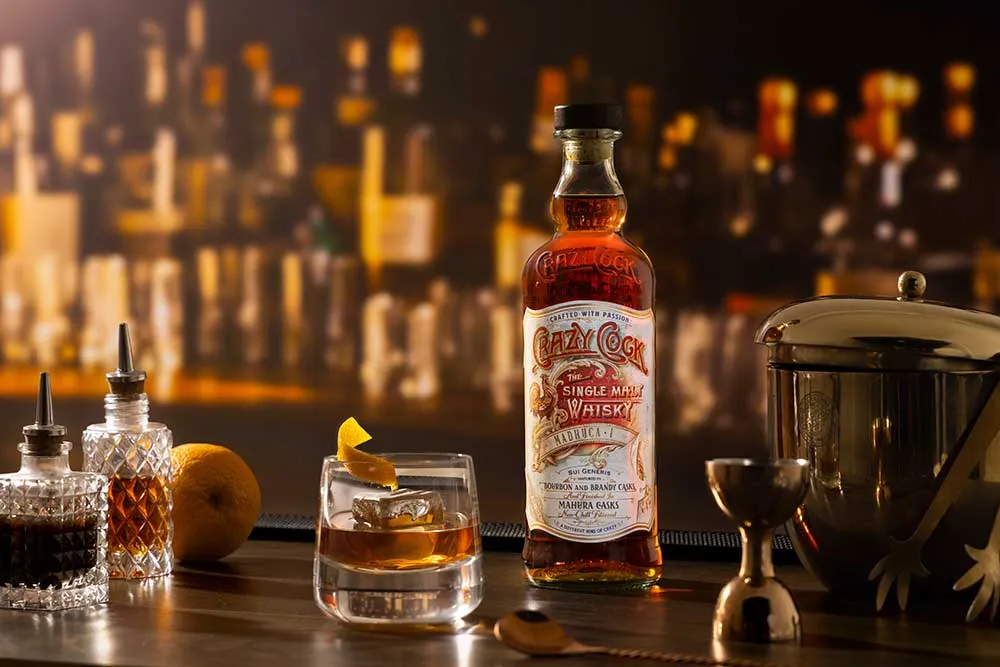
Crazy Cock The Single Malt is a good example of this balance. It focuses on delivering a smooth yet layered profile without pushing into overly premium pricing. That makes it accessible while still offering a refined experience.
So when you compare cost to what you actually get in the glass, the value equation starts leaning in favor of Indian whiskies.
Stack Indian single malts against global options, and the gap isn’t what it used to be.
Scotch still holds historical weight, and for many, it remains the benchmark. But Indian single malts are no longer trying to replicate that style. They’re offering something different—bolder, richer, and often more intense.
In blind tastings, many Indian whiskies have held their own against established international brands. Awards and global recognition have only reinforced this shift.
From a pricing perspective, imported whiskies also carry additional costs—duties, logistics, and brand premiums. Indian single malts avoid much of that, which allows them to compete strongly on value.
So instead of asking whether Indian whisky matches global standards, it’s more accurate to say it offers a different, equally compelling experience—often at a better price point.
Value isn’t just about being cheaper—it’s about what you get for what you pay.
Indian single malt whisky delivers on several fronts:
For enthusiasts, this combination is hard to ignore.
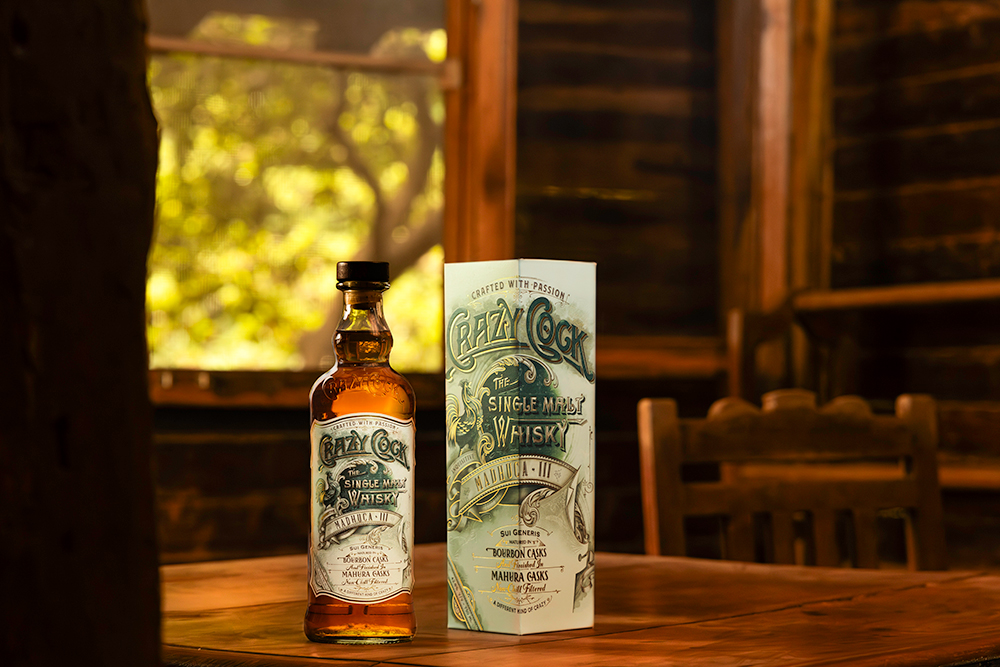
Crazy Cock The Single Malt fits neatly into this space. It doesn’t rely on age statements or excessive pricing to signal quality. Instead, it focuses on balance, drinkability, and character—things that actually matter when you’re enjoying a whisky.
Whether you’re someone exploring single malts for the first time or a seasoned drinker looking for something different, the value proposition is clear.
So, is Indian single malt whisky worth the price?
Yes—especially if you’re looking beyond labels and focusing on the experience.
Indian single malts bring together climate-driven intensity, thoughtful craftsmanship, and increasingly competitive pricing. They offer a premium feel without always demanding a premium-level spend.
The category is still evolving, which makes it even more interesting. New expressions, experimental casks, and a stronger focus on quality are pushing the boundaries of what Indian whisky can be.
With options like Crazy Cock The Single Malt leading the charge, it’s clear that Indian single malts are not just worth the price—they’re redefining what value looks like in the whisky world.
If you’re judging purely on age or legacy, you might miss the point. But if you judge by taste, balance, and overall experience, Indian single malt whisky more than earns its place on your shelf.