Crazy Cock

How Glass Temperature Impacts Indian Single Malt Whisky Flavour

Home / Blog / How Glass Temperature Impacts Indian Single Malt Whisky Flavour
Posted on 18 June 2026

How Glass Temperature Impacts Indian Single Malt Whisky Flavour

Introduction: More Than Just the Whisky Itself

When enjoying Indian single malt or single malt whisky, attention is often given to the liquid—its aroma, flavour, and finish. However, one overlooked factor can subtly influence the entire experience: the temperature of the glass.

Whether slightly chilled, room temperature, or warmed by hand, the glass plays a role in how the whisky is perceived. For expressions like Madhuca I, Madhuca II, Madhuca III, Dhua, and Rare, even small temperature differences can alter aroma release and flavour clarity.

Understanding this relationship adds another layer to appreciating single malt whiskey.

Also Read From India to the World: Crazy Cock’s Journey Through Awards and Global Recognition

The Connection Between Temperature and Aroma

Volatility of Aroma Compounds

Aroma is a key part of whisky tasting, and temperature directly affects how it is released. In single malt whisky:

  • Warmer temperatures increase aroma volatility
  • Cooler temperatures suppress aromatic release
  • Moderate warmth creates balance

This determines how expressive the whisky feels.

Impact on Nosing Experience

If the glass is too cold:

  • Aromas may feel muted
  • Subtle notes become harder to detect
  • The whisky may seem less complex

If slightly warmed:

  • Aromas open up
  • Flavour layers become clearer
  • The experience feels more complete

How Glass Temperature Affects Flavour Perception

Cold Glass, Reduced Intensity

When Indian single malt is served in a cold glass:

  • Flavour perception may feel subdued
  • Alcohol sharpness may reduce
  • The whisky can seem lighter than intended

This can mask certain characteristics.

Warm Glass, Enhanced Expression

A slightly warmer glass allows single malt whiskey to:

  • Reveal deeper flavour notes
  • Show better integration
  • Deliver a fuller profile

This is often preferred for tasting.

The Role of Hand Contact

Natural Warming Through Holding

One of the simplest ways temperature changes is through hand contact. Holding the glass can:

  • Gently raise the temperature
  • Encourage aroma release
  • Improve flavour clarity

This happens gradually during tasting.

Controlled Influence

While beneficial, excessive warming may:

  • Amplify alcohol perception
  • Overpower delicate notes
  • Disrupt balance

This makes moderation important.

Differences Across Whisky Styles

Lighter vs Richer Profiles

Temperature impact can vary depending on the whisky. For example:
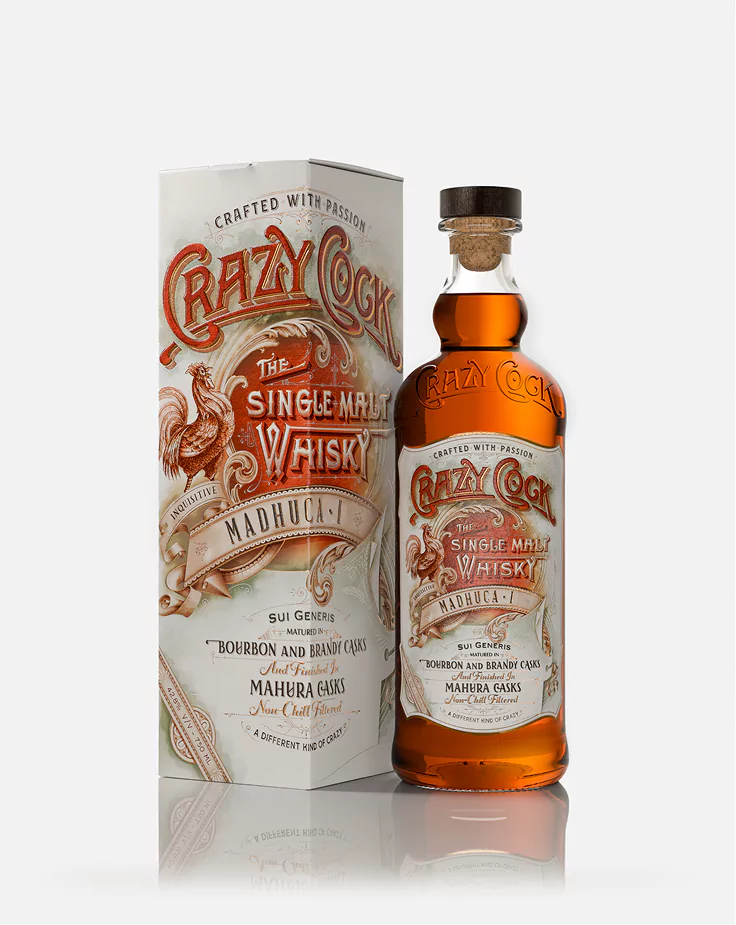
Crazy Cock - Indian single malt whisky
Crazy Cock Single Malt - Madhuca I Whisky
Crazy Cock - Indian single malt whisky
Crazy Cock Single Malt - Dhua Whisky
  • Lighter expressions like Madhuca I may require gentle warmth to reveal detail
  • Richer profiles like Dhua may already have strong presence

This affects how temperature should be managed.

Complexity and Sensitivity

More layered single malt whisky expressions, such as Madhuca II or Rare, tend to:

  • Respond more noticeably to temperature changes
  • Reveal additional notes with slight warming
  • Benefit from careful handling

This enhances the experience.

Glass Material and Thickness

Heat Retention

The type of glass used can influence temperature stability. Thicker glass may:

  • Retain temperature longer
  • Change temperature more slowly
  • Provide consistency

This affects the overall experience.

Interaction with Whisky

A well-designed glass helps:

  • Maintain balanced temperature
  • Support aroma concentration
  • Enhance tasting conditions

This complements the whisky itself.

Ideal Temperature Conditions for Tasting

Room Temperature as a Baseline

Most Indian single malt expressions are best experienced at:

  • Room temperature
  • Stable conditions
  • Minimal external influence

This allows the whisky to express naturally.

Avoiding Extremes

Extreme temperatures can negatively affect single malt whiskey:

  • Too cold dulls flavour
  • Too warm exaggerates alcohol
  • Fluctuations disrupt balance

Consistency is key.

Also Read How Crazy Cock Redefines the Idea of India’s Oldest Single Malt

Practical Tips for Managing Glass Temperature

Preparing the Glass

Before pouring single malt whisky, consider:

  • Avoiding chilled glassware
  • Ensuring a neutral temperature
  • Keeping the glass clean and dry

This sets the stage for tasting.

During the Tasting

While drinking, you can:

  • Allow gradual warming through handling
  • Avoid excessive heating
  • Observe changes over time

This enhances awareness.

Conclusion: Small Detail, Significant Impact

Glass temperature may seem like a minor detail, but it plays a meaningful role in how Indian single malt is experienced.

From aroma release to flavour perception, even slight changes in temperature can influence how the whisky evolves in the glass. Whether enjoying Madhuca I, Madhuca II, Madhuca III, Dhua, or Rare, paying attention to this factor allows for a more complete and accurate tasting experience.

Because in single malt whisky, the difference between a good experience and a great one often lies in the details—and temperature is one of them.