Crazy Cock

How Indian Single Malt Whisky Fits into Fine Dining Experiences

Home / Blog / How Indian Single Malt Whisky Fits into Fine Dining Experiences
Posted on 29 June 2026

How Indian Single Malt Whisky Fits into Fine Dining Experiences

Introduction: Expanding the Role of Whisky at the Table

Fine dining has traditionally been associated with wine pairings, carefully selected to complement each course. However, the modern dining landscape is evolving, and Indian single malt is increasingly finding its place alongside curated menus.

Rather than replacing existing pairings, single malt whisky offers an alternative way to engage with food—through depth, contrast, and layered flavour interactions. Expressions like Madhuca I, Madhuca II, Madhuca III, Dhua, and Rare demonstrate how single malt whiskey can enhance dining experiences when chosen thoughtfully.

Also Read: Times Now - Best single malt whiskies in India under ₹10,000.

Moving Beyond Traditional Pairings

Expanding Beverage Choices

Fine dining today is no longer limited to conventional beverage options. Guests are increasingly open to:

  • Exploring new pairings
  • Experimenting with flavour combinations
  • Engaging with different drinking styles

This creates space for single malt whisky.

Whisky as a Complement, Not a Replacement

Indian single malt does not replace wine but instead:

  • Adds diversity to pairing options
  • Offers a different sensory experience
  • Enhances specific courses

This broadens the dining experience.

Understanding Flavour Pairing with Whisky

Matching Intensity and Structure

Successful pairing with single malt whiskey depends on balance. Key considerations include:

  • Flavour intensity of the dish
  • Weight and texture of the food
  • Complexity of the whisky

This ensures harmony between food and drink.

Complementing and Contrasting

Whisky can:

  • Complement flavours by enhancing similarities
  • Contrast elements to create balance
  • Add depth to the overall experience

This makes Indian single malt versatile in dining settings.

Pairing Across Different Courses

Starters and Light Dishes

For lighter courses, whiskies like Madhuca I may:

  • Align with subtle flavours
  • Avoid overpowering the dish
  • Create a balanced introduction

This sets the tone for the meal.

Main Courses and Richer Flavours

More complex dishes can pair with:

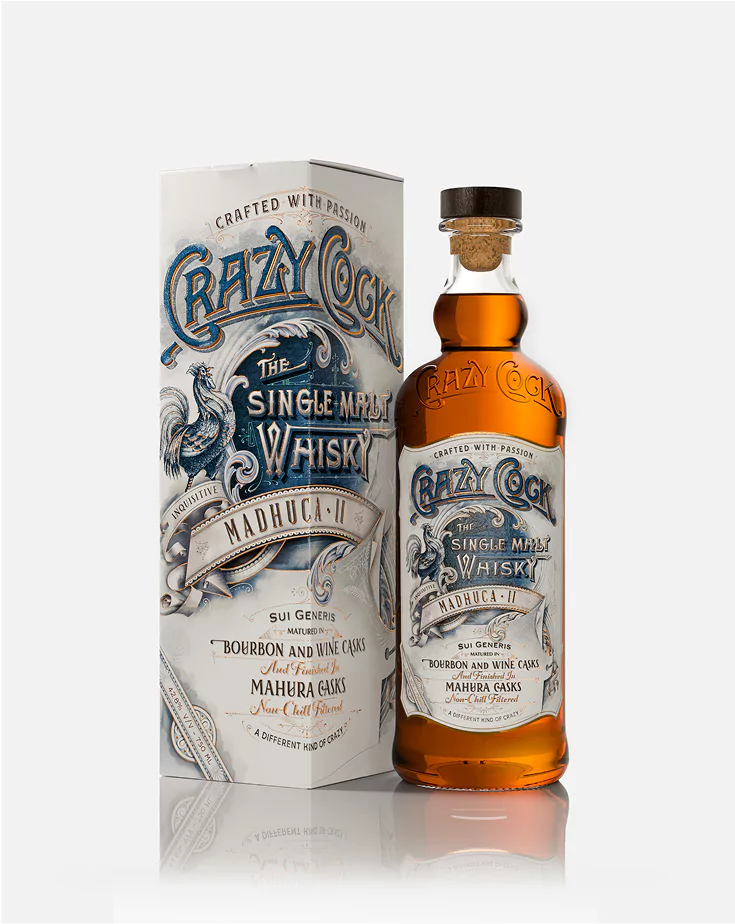
Indian single malt - Crazy Cock Madhuca II whisky
Crazy Cock Single Malt - Madhuca II Whisky
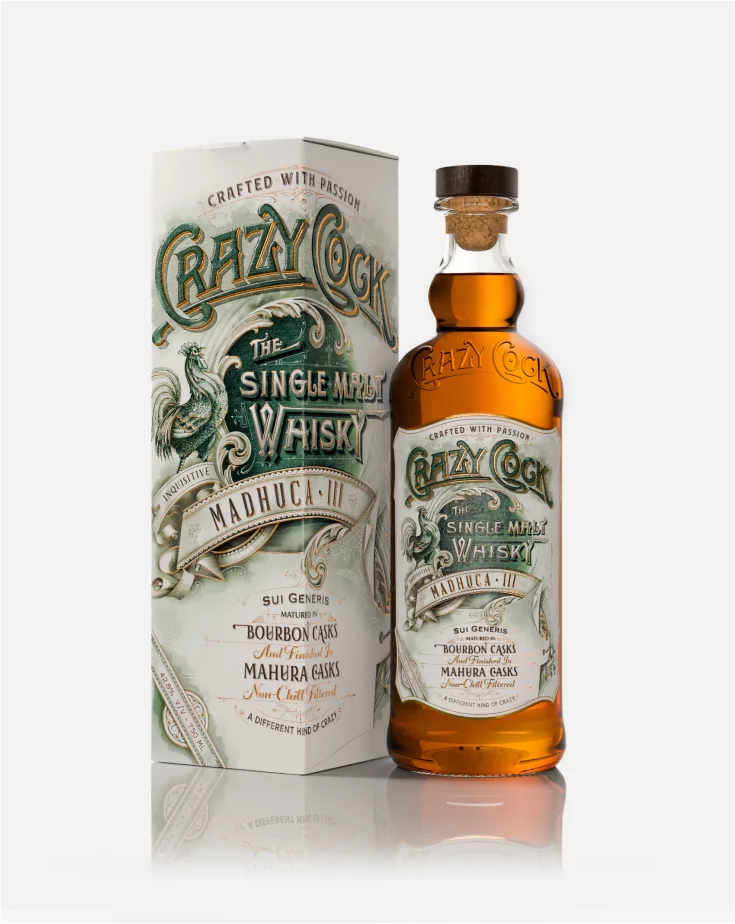
Indian single malt - Crazy Cock Madhuca III whisky
Crazy Cock Single Malt - Madhuca III Whisky

This enhances the core dining experience.

Bold and Distinct Courses

Stronger flavours may be complemented by:

  • Dhua for a more pronounced presence
  • Rare for depth and structure

This creates a memorable pairing.

Enhancing the Dining Experience

Encouraging Slow Engagement

single malt whisky naturally encourages:

  • Slower consumption
  • Greater attention to flavour
  • Deeper engagement with each course

This aligns with fine dining principles.

Creating a Multi-Sensory Experience

Pairing whisky with food allows diners to:

  • Experience aroma and taste together
  • Notice changes across courses
  • Engage more actively with the meal

This elevates the overall experience.

The Role of Presentation and Service

Importance of Serving Style

In fine dining, presentation matters. This includes:

  • Appropriate glassware
  • Serving temperature
  • Portion size

These elements influence how Indian single malt is perceived.

Integration into the Dining Flow

Whisky should be introduced in a way that:

  • Aligns with the course progression
  • Enhances the pacing of the meal
  • Feels natural within the experience

This ensures seamless integration.

Customisation and Personal Preference

Adapting Pairings to Individual Taste

Fine dining is increasingly personalised. Guests may:

  • Choose their preferred expressions
  • Adjust pairings based on taste
  • Explore different combinations

This flexibility benefits single malt whisky.

Encouraging Exploration

Offering multiple options—such as Madhuca I, Madhuca II, and Rare—allows diners to:

  • Compare flavours
  • Experiment with pairings
  • Develop preferences

This enhances engagement.

Challenges in Whisky Pairing

Balancing Strong Flavours

Whisky can be intense, so pairing requires:

  • Careful selection
  • Attention to balance
  • Consideration of dish complexity

This ensures the whisky complements rather than dominates.

Educating the Diner

Since whisky pairing is less common, diners may need:

  • Guidance from servers
  • Explanation of pairings
  • Encouragement to explore

This improves the experience.

Also Read: Hospibuz - India's rarest single malt whiskies redefining premium.

The Future of Whisky in Fine Dining

Growing Acceptance

As dining trends evolve, Indian single malt is likely to:

  • Appear more frequently in curated menus
  • Be included in tasting experiences
  • Gain wider acceptance

This reflects changing preferences.

Expanding Possibilities

With continued experimentation, single malt whiskey may:

  • Be paired in innovative ways
  • Complement a wider range of cuisines
  • Become a standard option in fine dining

This broadens its role.

Conclusion: A Natural Fit for Modern Dining

Indian single malt is becoming an important part of modern fine dining experiences by offering depth, versatility, and a new way to engage with food. Through thoughtful pairing and careful presentation, single malt whisky can enhance both flavour and atmosphere.

From the lighter profile of Madhuca I to the complexity of Madhuca II, Madhuca III, and the bold character of Dhua and Rare, each expression contributes to a richer dining experience.

Because in fine dining, every detail matters—and single malt whiskey adds a layer of depth that transforms a meal into a more immersive experience.