-
Heritage Edition
-
Media
When consumers encounter Indian single malt or single malt whisky, the experience often begins long before the first sip. Design and aesthetics play a crucial role in shaping perception, influencing expectations, and guiding purchase decisions.
From bottle shape to label details, visual presentation creates an immediate impression. Whether it is Madhuca I, Madhuca II, Madhuca III, Dhua, or Rare, the way a whisky looks can significantly affect how it is perceived.
Understanding the role of design helps explain how single malt whiskey builds identity and appeal in a competitive market.
Design acts as a silent communicator. In single malt whisky, it conveys:
Without a single word, consumers begin forming opinions.
Strong visual identity helps Indian single malt:
This supports long-term recall.
The bottle itself influences perception. Elements such as:
contribute to how single malt whiskey feels in hand.
A well-designed bottle can:
This adds to the appeal of Indian single malt.
Labels provide essential information while shaping perception. Effective labels in single malt whisky:
This improves understanding.
Good design ensures that key elements stand out, such as:
This helps guide consumer attention.
Colours influence perception in subtle ways. In Indian single malt, colour can:
This shapes emotional response.
Materials such as:
contribute to how single malt whiskey is experienced visually and physically.
Consistency in design helps build a strong identity. Across expressions like:
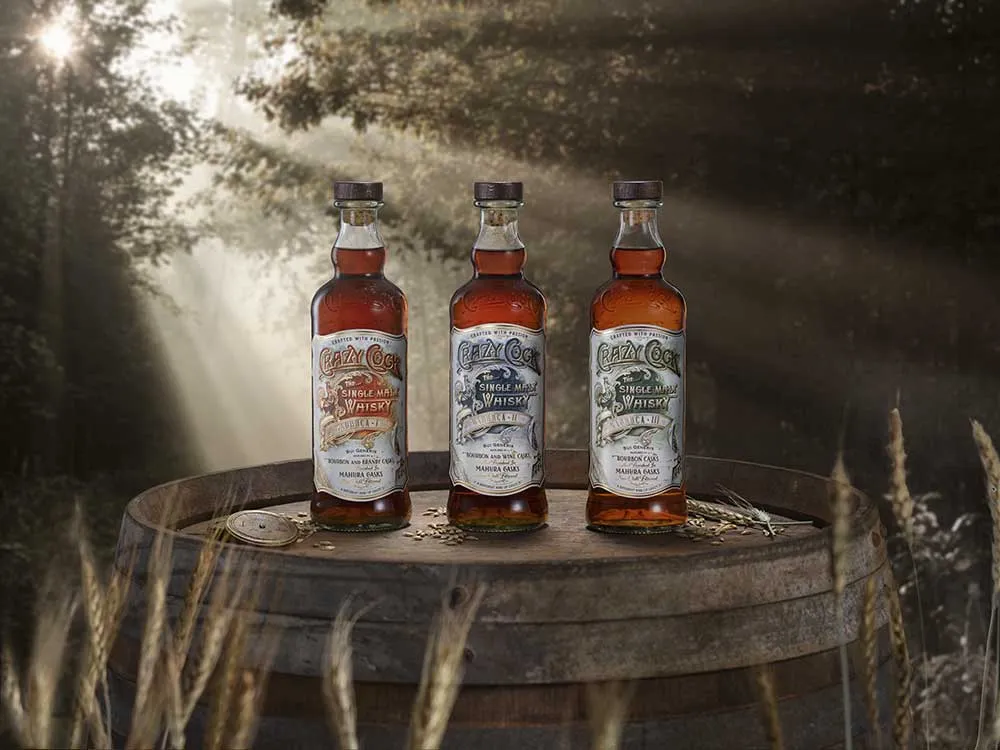
a unified aesthetic ensures recognition and coherence.
At the same time, each expression—such as Dhua or Rare can have:
This balances consistency with uniqueness.
Design sets expectations before tasting. A well-presented single malt whisky may:
This affects the overall experience.
In many cases, consumers choose based on:
This makes design a key factor in Indian single malt selection.
In retail environments, design determines how a whisky stands out. Effective design helps:
This increases visibility.
Beyond the shelf, presentation in:
enhances how single malt whiskey is perceived.
Design contributes to the overall experience of single malt whisky by:
This adds depth to the product.
When design aligns with the whisky’s character, it:
This benefits Indian single malt.
While design is important, it must reflect the whisky itself. A strong single malt whiskey should:
This ensures credibility.
Excessive design can:
Balance is essential.
Design and aesthetics play a vital role in shaping how Indian single malt is perceived and experienced. From bottle structure to label details, every element contributes to building identity and influencing choice.
Whether it is Madhuca I, Madhuca II, Madhuca III, Dhua, or Rare, design helps communicate character, create recognition, and enhance the overall experience of single malt whisky.
Because in single malt whiskey, what you see is often the beginning of what you experience—and thoughtful design ensures that first impression lasts.