-
Heritage Edition
-
Media
Single malt whiskey has a reputation. It sounds premium. It feels serious. And for many people, it marks the moment they move from casual drinking to intentional tasting.
But here’s the thing: most people enjoy single malt without fully understanding what makes it different.
Let’s break it down properly.
A single malt whiskey is a whiskey made from:
That’s it. “Single” refers to one distillery, not one barrel. “Malt” refers to malted barley as the only grain.
So when you’re drinking a single malt, you’re tasting the character of one place, one production philosophy, and one house style.
And that’s where it gets interesting.
Understanding the process helps you appreciate what’s in the glass.
Barley is soaked, germinated, and dried. This activates enzymes that convert starch into fermentable sugars.
If peat smoke is used during drying, the malt develops smoky character.
The dried malt is ground and mixed with hot water to extract sugars. The result is a sweet liquid called wort.
Yeast is added to convert sugars into alcohol. This stage builds early fruit, floral, and cereal notes.
Single malt, are typically distilled in copper pot stills. Copper removes impurities and shapes texture.
Pot distillation produces:
The spirit is aged in oak barrels, often ex-bourbon or sherry casks. This is where most flavor develops.
Oak contributes:
Climate plays a massive role here. In warmer regions, whiskey matures faster and interacts more intensely with wood.
Let’s clear up confusion.
Single malts usually offer more distillery-specific character.
Scotch can be single malt. But not all single malts are Scotch. The term refers to style, not country.
Single malts isn’t one flavor. It’s a spectrum.
Depending on production and aging, you might taste:
The beauty of single malt is depth. It unfolds slowly.
Here’s something many people overlook.
Climate dramatically affects aging.
In cooler climates, maturation is slow and gradual.
In warmer climates, whiskey expands deeper into the wood, accelerating flavor development.
This means:
When managed properly, this creates bold yet balanced single malt expressions.
Peat adds smoke. But smoke isn’t one-dimensional.
Focus on fruit, spice, and oak structure.
Add layers of smoke, earth, and sometimes maritime character.
The key is balance. Smoke should enhance, not dominate.
Single malt whiskey typically commands higher pricing because:
You’re paying for craft, not just alcohol.
There’s no one rule, but here’s a smart approach:
Best for experiencing full aroma and structure.
Opens up hidden notes and softens alcohol.
Chills without rapid dilution.
Avoid mixing it in sugary cocktails if you want to understand its true profile.
Start by asking:
Do you prefer:
If you’re new, begin with a balanced expression. If you enjoy intensity, explore peat.
What matters most is how well the whiskey integrates its flavors. Balance beats aggression.
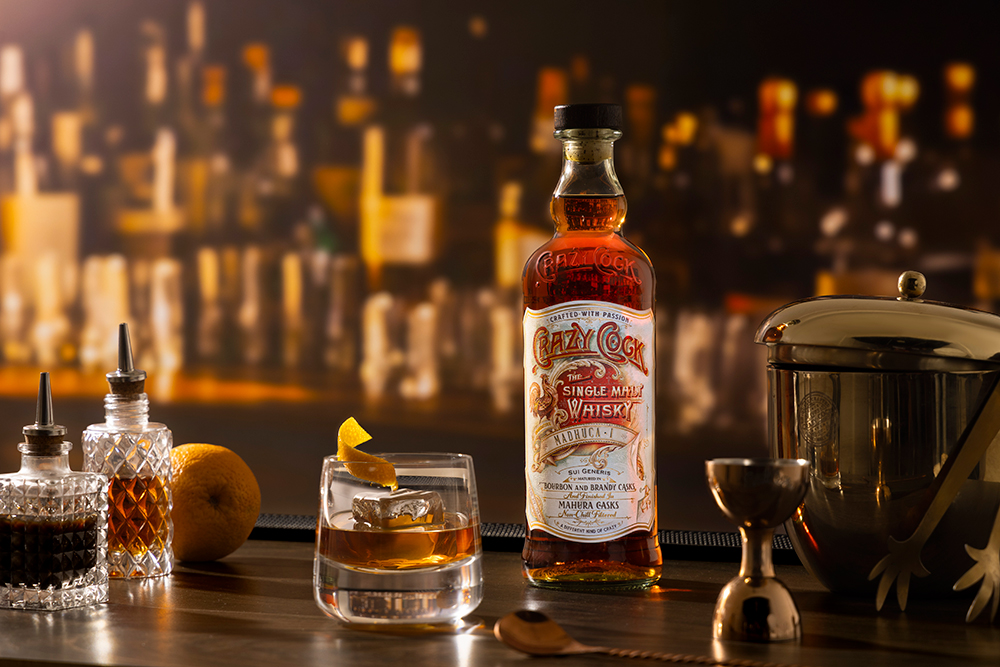
If you want to understand what well-made single malt tastes like today, Crazy Cock Single Malt Whisky is a strong place to begin.
It reflects core single malt principles:
This expression leans into:
It’s structured but approachable. Complex without being overwhelming.
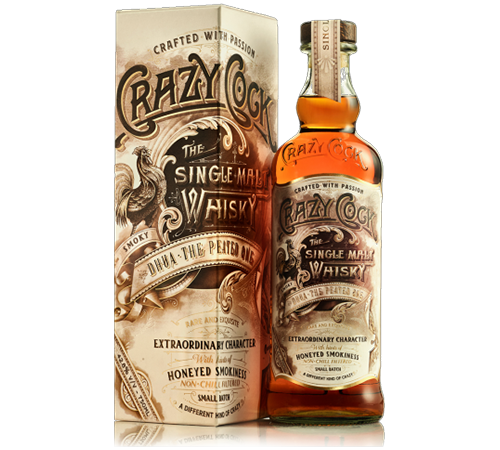
For those curious about peat, Dhua delivers:
It proves that peated single malt doesn’t have to be aggressive to be memorable.
Both expressions show how climate-driven maturation, when handled carefully, can produce mature, expressive whiskey with global appeal.
If you value:
Then yes, single malt is worth exploring.
It’s not about status. It’s about experience.
And when that experience is executed well, it stays with you.
Single malt whiskey isn’t complicated once you strip away the mystique.
It’s about:
What this really means is you’re tasting the personality of a producer in its purest form.
Cock Single Malt Whisky represents that philosophy clearly. It respects tradition while embracing confident modern identity. Whether you prefer rich and smooth or balanced peat, it offers an entry point into the world of serious single malt.
And once you understand what single malt truly is, you don’t just drink it.
You notice it.
Also Read: Why does Indian Best Whiskey deserve a spot in your bar?
What defines a single malt whiskey?
It must be made from 100% malted barley and produced at a single distillery using pot stills.
Is single malt stronger than other whiskey?
Not necessarily. Alcohol content varies by brand and bottling strength.
Is single malt always aged longer?
Not always. Maturation depends on climate and production style, not just time.
Is peated single malt better?
It depends on your taste preference. Some prefer smoke; others prefer fruit and spice.
Is Crazy Cock Single Malt good for beginners?
Yes. Its balanced profile makes it approachable for newcomers while still offering depth for experienced drinkers.