-
Heritage Edition
-
Media
Maturation is where whisky truly becomes whisky. Fresh spirit coming off the still is raw, sharp, and relatively simple. It’s only after spending time in oak casks that it develops the complexity, depth, and character people associate with a good single malt. This process is central to India’s evolving premium single malt category, where climate and craftsmanship work together to shape distinctive flavour profiles.
In India, this transformation happens under very different conditions compared to traditional whisky regions. The result is a style of maturation that is faster, more intense, and often more expressive.
Indian single malt whisky isn’t just aged—it evolves rapidly, shaped by climate, wood, and time working together at a much higher pace.
At its core, maturation is a series of chemical interactions between the spirit, the wood of the cask, and the surrounding environment.
When whisky is stored in oak barrels, several things begin to happen:
Over time, this process turns a clear, fiery liquid into something smooth, layered, and aromatic.
In Indian single malt whisky, these interactions are more pronounced. The higher ambient temperatures increase the movement of the spirit in and out of the wood, intensifying extraction and accelerating chemical changes.
What might take many years elsewhere can happen in a shorter time frame in India—without necessarily compromising complexity.
Temperature is one of the most critical factors in whisky maturation, and this is where India stands apart.
In cooler climates, maturation is slow and steady. Seasonal changes gently expand and contract the wood, allowing the spirit to interact with the cask at a gradual pace.
India, however, experiences much higher average temperatures and wider fluctuations in some regions. This has a direct impact on how whisky matures.
Here’s what happens:
The result is faster flavor development and a more pronounced influence from the cask.
For Indian single malts, this means bold notes—spice, caramel, toasted oak—can develop relatively quickly, giving the whisky a rich and full-bodied profile even at a younger age.
No discussion about maturation is complete without talking about evaporation.
As whisky ages, a portion of it evaporates through the porous wood of the cask. This is known as the “angel’s share.” While it’s a universal phenomenon, the rate at which it happens varies significantly by climate.
In India, evaporation levels are much higher—often reaching 10–12% annually, compared to around 2% in cooler regions.
This has two major effects.
First, it reduces the total volume of whisky over time. Distilleries lose a significant portion of their stock during aging, which impacts production planning and pricing.
Second, and more importantly for the drinker, it concentrates the flavors.
As water and alcohol evaporate, the remaining liquid becomes richer and more intense. This concentration effect contributes to the bold, expressive nature of Indian single malt whisky.
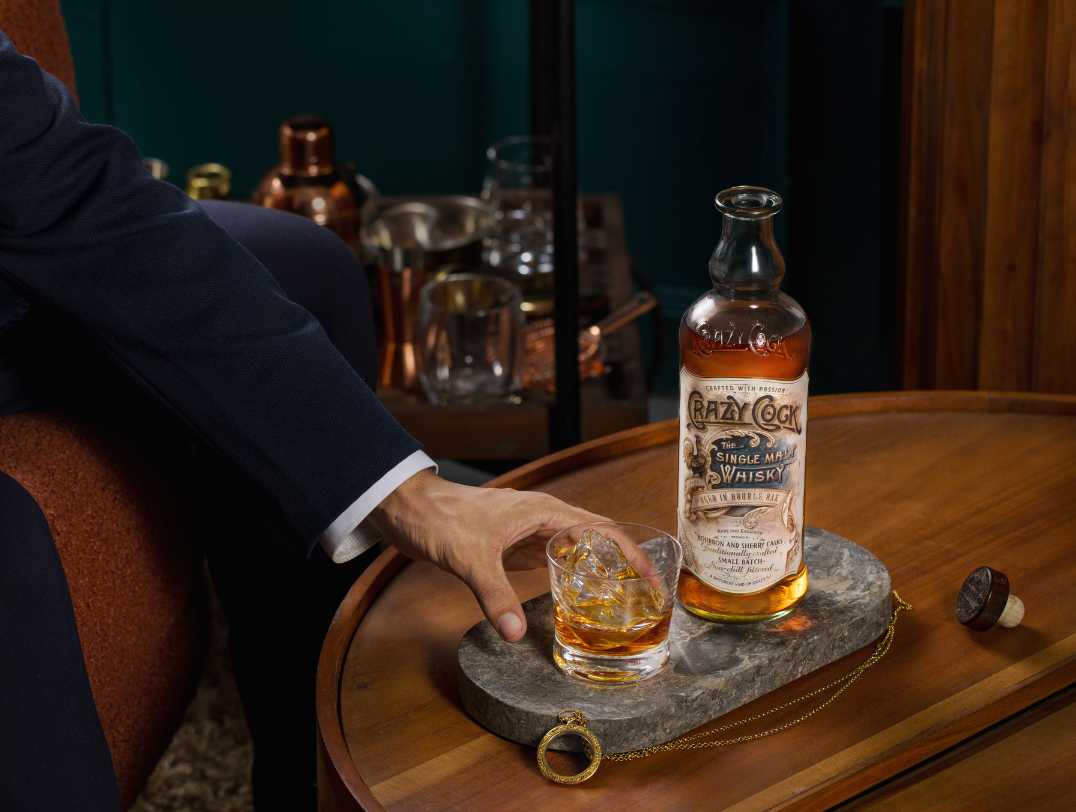
Brands like Crazy Cock The Single Malt work within these conditions to strike a balance—managing evaporation while ensuring the whisky develops the right level of depth and smoothness.
At first glance, faster maturation might seem like a shortcut. But in reality, it’s a different approach to achieving complexity.
Indian single malts don’t rely on long aging periods to develop character. Instead, they leverage climate-driven intensity to reach maturity sooner.
This offers a few distinct advantages:
However, faster maturation also requires precision. Leave the whisky in the cask for too long, and it can become over-oaked or imbalanced. Timing is critical.
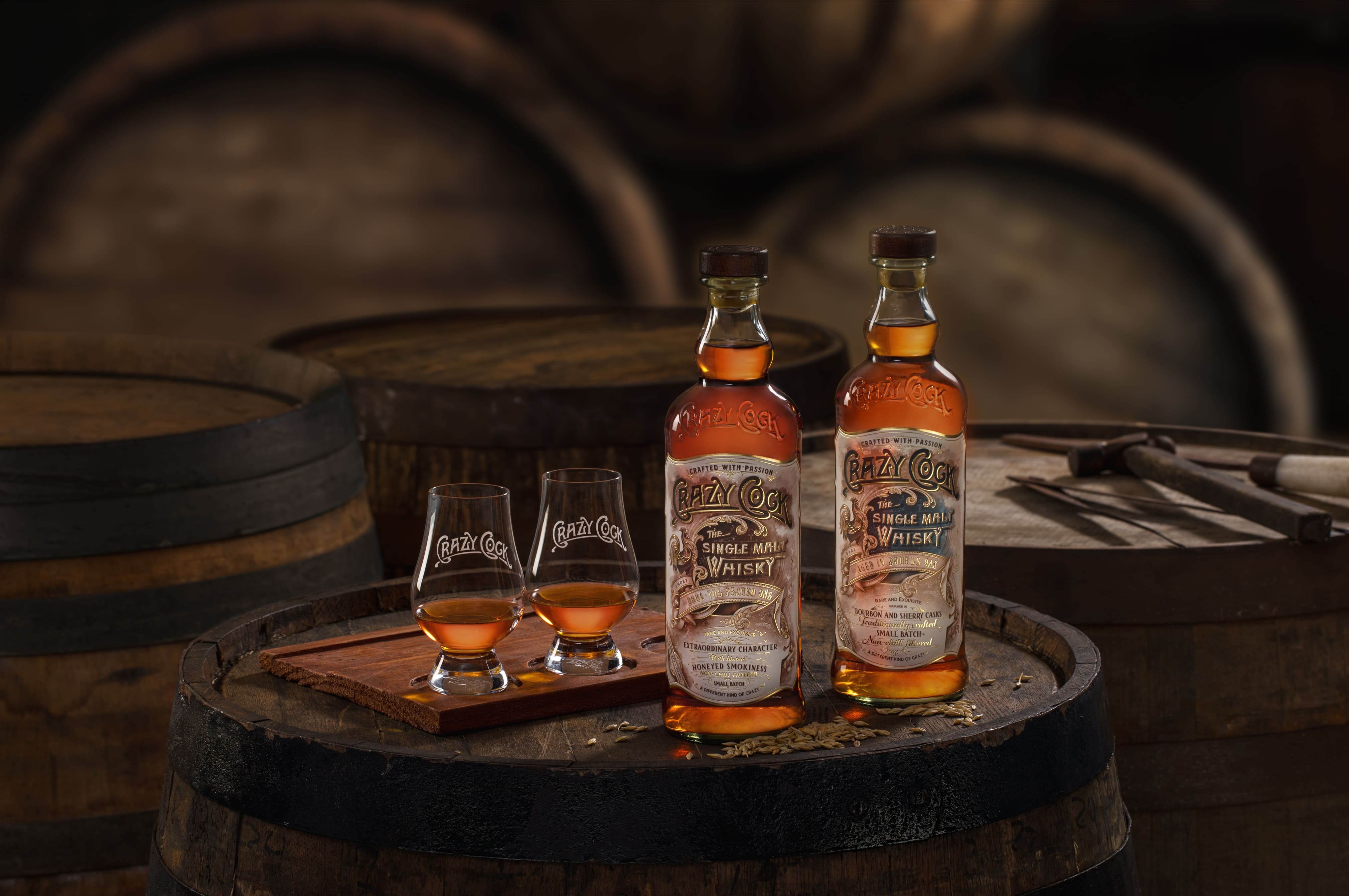
Crazy Cock The Single Malt reflects this understanding. It focuses on achieving the right maturity—not the longest one. The emphasis is on balance, ensuring that the whisky delivers complexity without overwhelming the palate.
While science explains what happens during maturation, craftsmanship determines how well it’s executed.
Distillers must make key decisions at every stage:
In India, these decisions are even more crucial because of the accelerated aging process. There’s less room for error, but also more opportunity for innovation.
This combination of science and skill is what defines modern Indian single malt whisky.
The maturation of Indian single malt whisky is a fascinating blend of chemistry, climate, and craftsmanship.
Higher temperatures, faster reactions, and greater evaporation all contribute to a whisky that is bold, complex, and uniquely expressive. It’s not just about aging—it’s about how the environment actively shapes the spirit.
As the category continues to grow, this distinct approach to maturation is becoming its biggest strength.
With well-crafted expressions like Crazy Cock The Single Malt, you can taste the results of this process firsthand—a whisky that captures both the science and the art of maturation, delivering a rich and memorable experience in every sip.