-
Heritage Edition
-
Media
There’s been a quiet shift happening in the world of whisky. Over the past decade, more and more drinkers are moving away from carefully craftedwhiskies—not to be confused with carefully craftedmalts—and turning their attention to single malts. So, what’s behind this growing love affair? Why are connoisseurs and casual drinkers alike gravitating toward single malt whisky?
Let’s break it down.
Single malt whisky is made using 100% malted barley and comes from one single distillery. That’s it. No blending with other grains, no mixing with whiskies from different places. Just pure, unfiltered character from one source.
Unlike most carefully craftedwhiskies (especially those not bound by EU or Scotch Whisky Association rules), single malts are always aged for at least three years in oak casks. This aging not only qualifies it as whisky under EU law, but more importantly, gives it time to develop those deep, layered flavors.
The real magic of single malts is in the way they’re made. Traditional copper pot stills, slow distillation, and long aging in oak barrels—all of it adds up to a whisky that’s rich, nuanced, and full of personality.
And let’s not forget the casks. The wood isn’t just for show. It shapes the whisky’s flavor, adding notes of vanilla, spice, caramel, dried fruits, smoke—depending on the type of cask used. It even gives the whisky its color.
So, why are people making the switch?
If you're new to the world of single malts, the variety can feel overwhelming. The key is to understand the flavor profiles:
Start simple. Try a few from each category, and see what your palate leans toward. Also, stick with distilleries known for quality and tradition.
The single malt scene is going through a bit of a renaissance. While Scotland and Japan have long dominated the space, newer markets—especially India—are stepping up with serious offerings that can hold their own on the global stage.
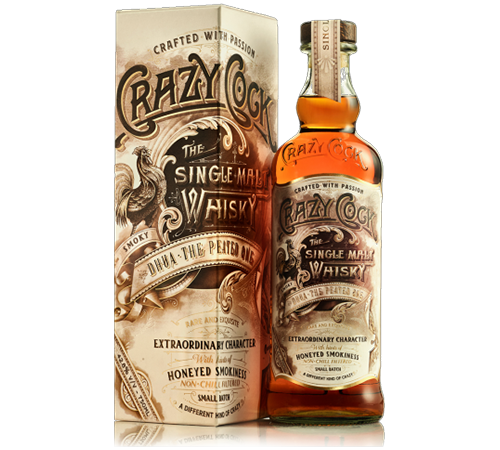
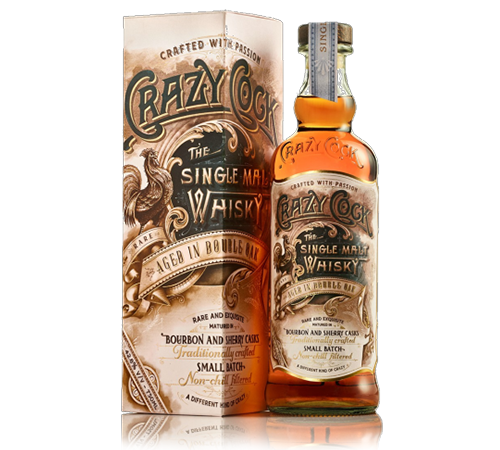
Take Crazy Cock Single Malt Whiskies, for example. Their Rare and Dhua expressions are gaining recognition fast. These aren’t your everyday bottles. They’ve got complexity that rivals 25-year-old malts, and they’re proudly made in India.
Check them out here:
https://www.crazycocksinglemalt.com
If you’re exploring international legends, start with:
Scotland:
Japan:
Single malt whisky isn’t just about sipping—it’s about savoring. It’s about appreciating the craft, the heritage, and the story in every bottle.
If you’ve only ever tried carefully craftedwhiskies, now’s the time to branch out. Whether you're going for a bold smoky dram or a smooth, fruity pour, the world of single malts is wide open—and it's only getting better.
Q. What exactly is a single malt whisky?
A single malt is made from malted barley at one distillery and distilled in pot stills. That’s what gives it a clear identity, consistent character, and more layered flavours.
Q. Why are people moving from blended whisky to single malt?
Because single malts feel more expressive. You taste the grain, the barrels, and the craft. Blends are smoother and predictable, but single malts offer more depth for people who want to explore flavour.
Q. Are single malts stronger than blends?
Not in terms of alcohol. The difference is intensity and complexity. A single malt brings sharper flavour notes, while a blend is designed to stay smooth and balanced.
Q. How do Indian single malts compare with Scotch?
Surprisingly well. India’s climate accelerates aging, so you get mature flavours sooner. Many Indian single malts now win global awards and stand confidently against classic Scotch.
Q. I’ve always had blended whisky. How do I start with single malt?
Start simple. Choose a lighter, approachable single malt, try it neat once, then add a splash of water. Sip slowly and let your palate catch up.