-
Heritage Edition
-
Media
Walk into any premium bar, airport duty-free, or online liquor store, and you’ll notice two terms appearing again and again on whisky bottles: Single Malt and Blended. They sound similar, but these two styles represent completely different philosophies of whisky-making.
If you’ve ever wondered why single malts are often treated like collector’s pieces while blended whiskies dominate global sales, this guide will make it clear. Let’s look at how they’re made, what makes each unique, and how to choose the one that suits your taste.
At its core, a single malt whisky is a spirit made entirely from malted barley at a single distillery. The name “single” doesn’t mean one cask or one batch—it refers to the fact that every drop comes from one distillery. This gives the whisky a distinct identity that reflects its place of origin.
Single malts are distilled in copper pot stills, which are known for producing a richer, more complex spirit compared to the continuous column stills used for grain whisky. After distillation, the whisky is aged in oak casks sometimes ex-bourbon, sometimes sherry, sometimes both—for at least three years. Many spend over a decade developing their depth and colour.
Because there are no added grains or spirits, every decision made by the distiller matters. The shape of the still, the source of the water, the type of cask, and even the climate play crucial roles in shaping the final flavour.
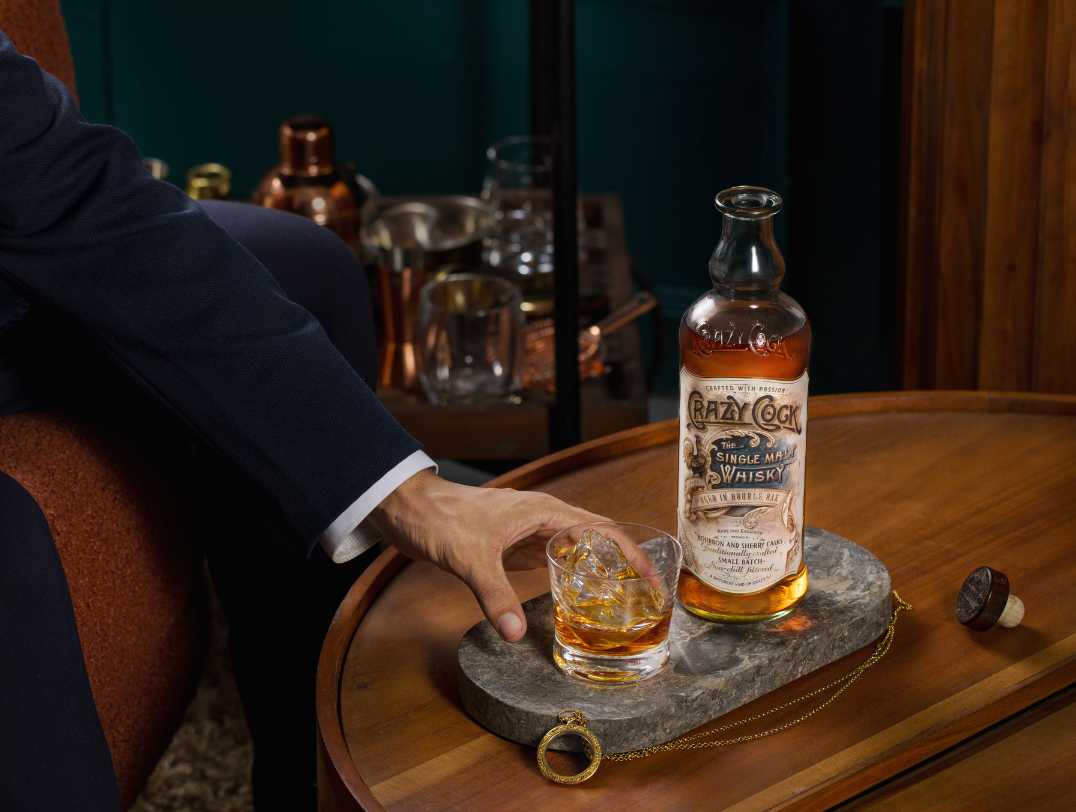
In India, a standout example is Crazy Cock The Single Malt Whisky. Distilled in small batches from Indian six-row barley and matured in oak casks under a tropical climate, it develops a unique richness and spice. The intense Indian heat accelerates the aging process, creating a whisky that’s mature, deep, and layered well before it hits the ten-year mark.
Every single malt is an expression of place and craftsmanship. Each distillery tells its own story through its spirit, giving you a sense of where it was born and how it was nurtured.
Blended whisky takes a very different route. Instead of focusing on the character of one distillery, a blend combines multiple whiskies to achieve consistency and balance.
Most blends are made from a mix of single malts and grain whiskies. The grain whisky, made from corn, wheat, or rye, brings smoothness and lightness, while the malts add depth and flavour. Master blenders, often among the most skilled artisans in the whisky world, select whiskies from different distilleries and cask types to create a flavour profile that stays the same every time you buy it.
Blended whiskies are made to be approachable, smooth, and versatile. They’re the most widely consumed whiskies in the world because they suit almost every palate and occasion. Whether you’re drinking neat, on ice, or mixing in cocktails, blends adapt easily.
While they don’t usually have the distinct identity of a single distillery, they excel at offering consistency and drinkability. Think of them as the symphony of the whisky world—many instruments working together to create harmony.
| Feature | Single Malt Whisky | Blended Whisky |
|---|---|---|
| Ingredients | 100% malted barley | Mix of malt and grain whiskies |
| Source | One distillery | Multiple distilleries |
| Taste Profile | Rich, complex, and distinctive | Smooth, balanced, and consistent |
| Production Scale | Usually small batches | Larger, mass-produced |
| Price Range | Premium to luxury | Affordable to mid-range |
| Target Audience | Whisky enthusiasts and collectors | Casual drinkers and social settings |
Single malts appeal to people who enjoy discovery. Every bottle tells a story—about the soil, the grain, the stills, and the people behind it. Because single malts aren’t blended to a uniform taste, they often vary slightly from batch to batch, and that variation is part of their charm.
A well-crafted single malt captures the spirit of its origin. In India, Crazy Cock The Single Malt Whisky DHUA and Crazy Cock The Single Malt Whisky RARE are perfect examples of how a single malt can express both innovation and tradition.
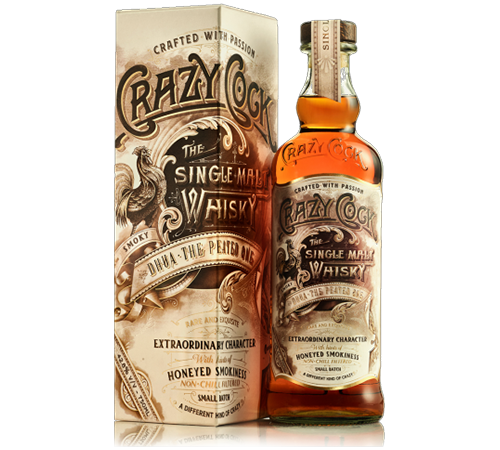
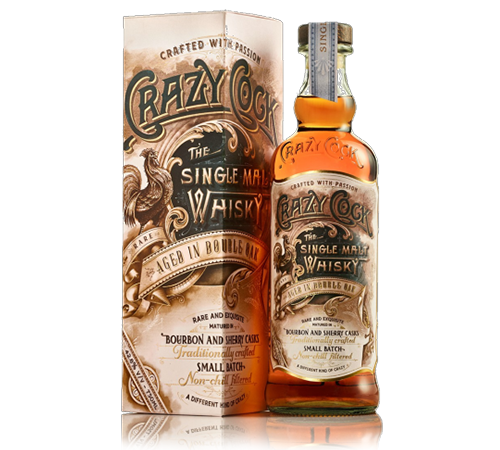
These whiskies show that Indian distillers are no longer following Scotch traditions—they’re setting new benchmarks. The result is a portfolio of whiskies that are tropical, intense, and deeply expressive.
Single malts are for drinkers who want more than a drink. They want an experience. Every sip unfolds slowly, revealing hidden layers and new aromas as the whisky opens up in the glass.
Blended whisky isn’t about individuality; it’s about balance and accessibility. The art of blending lies in bringing different whiskies together so they complement each other perfectly.
Because they’re crafted for smoothness, blends are ideal for casual drinking. They’re forgiving, approachable, and often less intense than single malts. Many people start their whisky journey with blends before moving on to single malts once their palate matures.
Blended whisky also works beautifully in cocktails. Its softer profile mixes well with ingredients like citrus, honey, or ginger without overpowering them. So if you’re hosting a party or prefer whisky in a highball, a good blend might be the better choice.
There’s no competition between the two styles—it’s all about what you’re in the mood for.
Go for a single malt if you:
Go for a blended whisky if you:
If you’re venturing into the world of Indian whisky, start with Crazy Cock Indian Single Malt Whisky. It’s a clear representation of how Indian distillation has evolved—combining time-honoured methods with the country’s natural warmth and vibrant climate. The result is a whisky that stands tall among the world’s best, proving that luxury and authenticity can coexist in every sip.
Whichever style you choose, how you serve it matters.
The goal isn’t rules—it’s enjoyment. Find your own balance.
Whisky, at its heart, is about connection—between grain and maker, between past and present, and between you and the glass in your hand.
Single malts celebrate individuality and character. Blends celebrate consistency and community. Both have their place.
When you pour a dram of Crazy Cock The Indian Single Malt, you’re not just drinking whisky. You’re tasting a story of Indian soil, craftsmanship, and time. And whether your next glass is a single malt or a blend, remember: whisky isn’t about labels. It’s about the moment, and how you choose to savour it.
Q. What’s the basic difference between single malt and blended whisky?
A single malt comes from one distillery and uses only malted barley. A blend mixes different whiskies—often malt and grain—to create a consistent, smoother profile.
Q. Does single malt mean it comes from one barrel?
No. It simply comes from one distillery. Multiple barrels can be combined to create the final whisky.
Q. Which one is better for beginners?
Blends are usually smoother and easier on the palate. Single malts offer more character once you’re ready to explore deeper flavours.
Q. Can a blended whisky be as good as a single malt?
Of course. Many premium blends are crafted by skilled blenders who create impressive flavour harmony. Quality depends on the liquid, not the label.
Q. How do taste and complexity differ between the two?
Single malts often show distinct character tied to their distillery and barrels. Blends aim for balance, consistency, and a crowd-pleasing smoothness.