Crazy Cock

How Sensory Training Changes the Way You Experience Indian Single Malt Whisky

Home / Blog / How Sensory Training Changes the Way You Experience Indian Single Malt Whisky
Posted on 12 June 2026

How Sensory Training Changes the Way You Experience Indian Single Malt Whisky

Introduction: From Drinking to Understanding

For most people, drinking Indian single malt begins as a simple experience—taste, enjoy, repeat. But over time, curiosity grows. Why does one single malt whisky feel richer than another? Why do some notes stand out more clearly?

This is where sensory training comes in.

Sensory training changes the way single malt whiskey is experienced. It sharpens perception, builds awareness, and transforms casual drinking into a deeper, more engaging process. Instead of simply tasting, the drinker begins to observe, analyze, and understand.

With structured awareness, single malt becomes more than a drink—it becomes an evolving experience shaped by attention and practice.

Also Read Age Statements vs No Age Statement: What Really Matters in Indian Single Malt Whisky?

What Is Sensory Training?

Training the Senses

Sensory training focuses on improving:

  • Smell recognition
  • Taste identification
  • Texture awareness

For Indian single malt whisky, this means learning to detect nuances that are otherwise missed.

Moving Beyond Preference

Most people approach single malt whiskey with a simple mindset:

  • “I like it”
  • “I don’t like it”

Sensory training shifts this to:

  • What exactly am I tasting?
  • How is it structured?
  • Why does it feel balanced or unbalanced?

The Role of Aroma in Sensory Training

The First Layer of Experience

Aroma is often the most complex aspect of single malt whisky. Before tasting, the nose provides insight into:

  • Depth
  • Character
  • Complexity

Developing Aroma Memory

With training, drinkers of Indian single malt begin to:

  • Recognize recurring notes
  • Build scent memory
  • Identify subtle variations

This makes each encounter with single malt more detailed and engaging.

Understanding Flavor Structure

Breaking Down the Experience

A trained palate approaches single malt whiskey in stages:

  • Entry (first impression)
  • Mid-palate (development)
  • Finish (aftertaste)

Recognizing Balance

In single malt whisky, balance is key. Sensory training helps identify:

  • Whether flavours integrate well
  • If one element dominates
  • How smoothly the profile evolves

Texture and Mouthfeel Awareness

Beyond Taste

Many overlook that Indian single malt is also about how it feels:

  • Light or heavy
  • Smooth or sharp
  • Oily or dry

Enhanced Sensitivity

With sensory training, drinkers can:

  • Detect viscosity
  • Understand structure
  • Appreciate mouthfeel differences

This adds another dimension to single malt appreciation.

The Role of Focus and Environment

Eliminating Distractions

To properly experience single malt whisky, sensory training encourages:

  • Quiet environments
  • Minimal distractions
  • Intentional focus

Controlled Tasting Conditions

This allows Indian single malt to:

  • Reveal subtle notes
  • Maintain clarity
  • Deliver a fuller experience
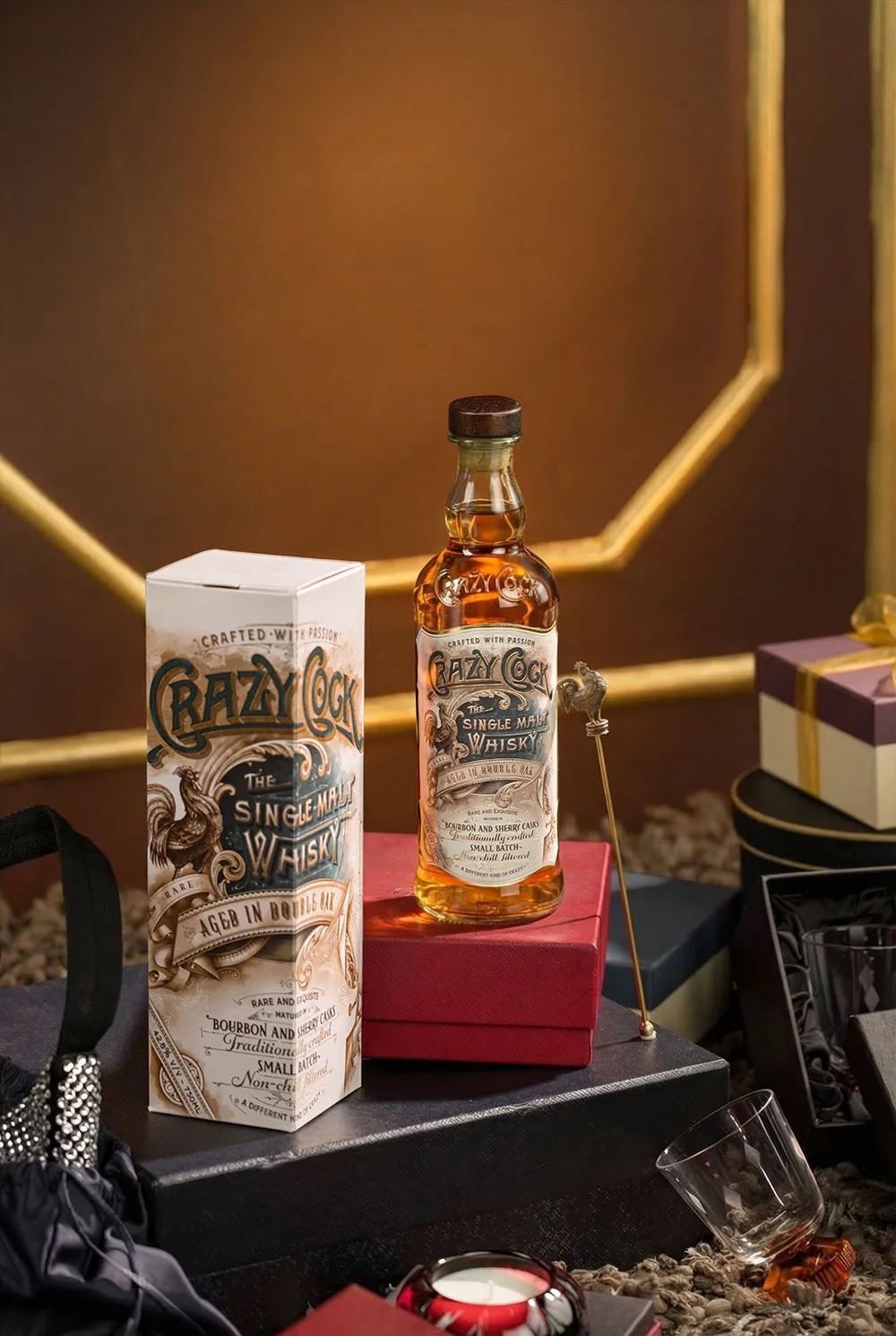
Crazy Cock - Indian single malt whisky
Crazy Cock Single Malt Whisky

Crazy Cock and Sensory Exploration

A Range That Rewards Attention

Crazy Cock’s Indian single malt whisky portfolio—Madhuca I, Madhuca II, Madhuca III, Dhua, Rare—offers varied profiles that respond well to sensory training.

Each expression within this single malt range provides:

  • Distinct structure
  • Unique balance
  • Different sensory experiences

Encouraging Deeper Engagement

With sensory awareness, single malt whiskey becomes:

  • More layered
  • More expressive
  • More memorable

Why Sensory Training Matters

Enhancing Appreciation

Without training, much of what defines single malt whisky goes unnoticed. Sensory training allows drinkers to:

  • Appreciate complexity
  • Understand craftsmanship
  • Recognize quality

Building Confidence

It also helps drinkers of Indian single malt:

  • Trust their palate
  • Describe what they experience
  • Engage more deeply with the category

Also Read Why First-Fill and Refill Casks Create Different Whisky Experiences

The Evolution of the Drinker

From Casual to Informed

Sensory training transforms how single malt is approached:

  • From passive consumption
  • To active exploration

Continuous Learning

Every tasting of single malt whisky becomes an opportunity to:

  • Learn
  • Compare
  • Refine perception

Conclusion: A More Meaningful Experience

Sensory training fundamentally changes how Indian single malt is experienced. It moves the drinker from simple enjoyment to informed appreciation.

By sharpening aroma recognition, understanding flavour structure, and recognizing texture, single malt whiskey becomes more engaging and rewarding.

Because in the world of single malt whisky, what you notice defines what you experience.