-
Heritage Edition
-
Media
Single malts have followed a familiar playbook for decades.
Barley. Oak casks. Time.
The variations came from geography—Scotland, Japan, India—but the maturation logic stayed largely the same.
Mahura casks break that pattern, introducing what is now recognised as the world’s first Mahura cask-finished Indian single malt into the category.
Innovation in whisky rarely comes from changing everything. It comes from altering one critical variable.
In this case, it’s the finishing cask.
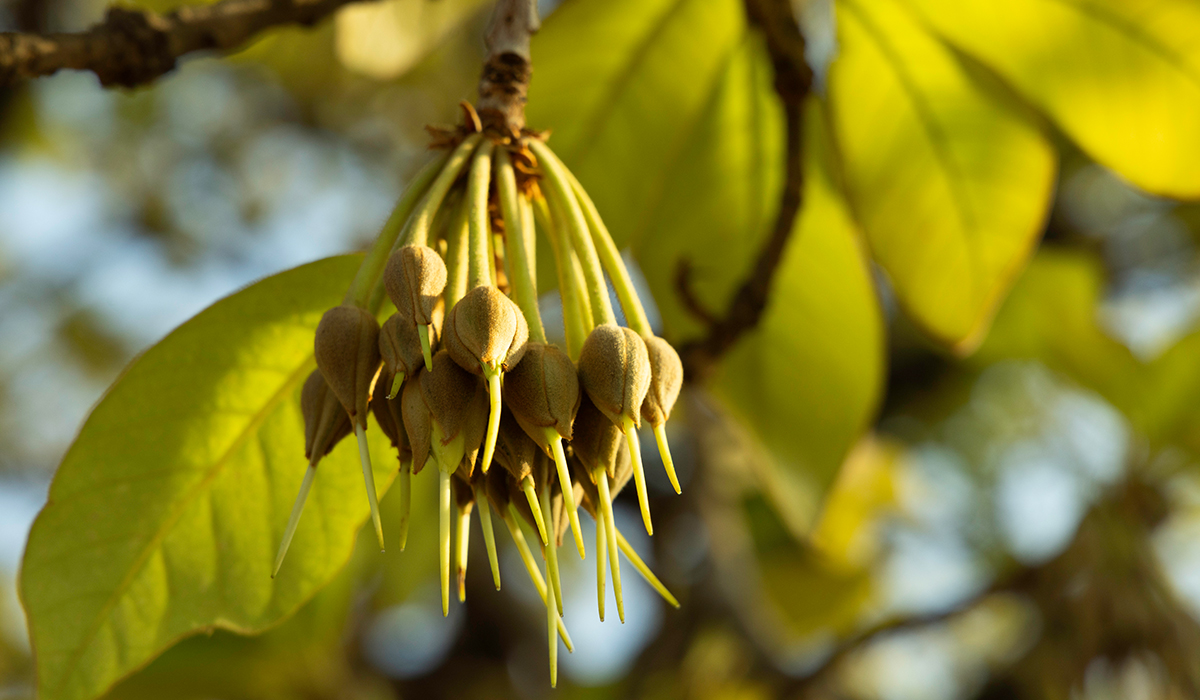
Mahura casks are made from vessels that previously held mahua-based spirits. That alone introduces a completely new interaction between wood, spirit, and residual compounds.
There’s no global template for this.
Most whisky traditions evolved in regions where mahua doesn’t exist.
So naturally, cask experimentation stayed within local ecosystems—wine, sherry, bourbon.
India is one of the few places where you have both:
Bringing the two together is what makes mahura casks a first.
When a single malt is finished in a mahura cask:
It’s not infusion. It’s interaction over time.
Crazy Cock Single Malt is among the few exploring this space seriously.
Instead of just producing a standard single malt, the brand is pushing boundaries through finishes like mahura casks—bringing an Indian signature into the maturation stage.
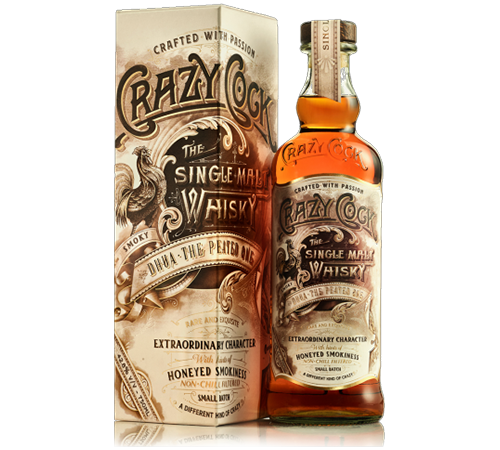
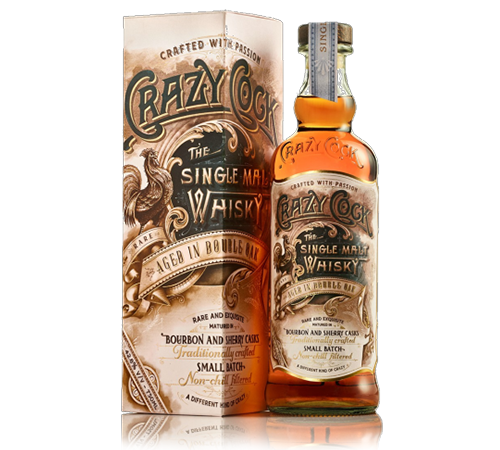
Variants like Crazy Cock Rare highlight how subtle finishing can elevate complexity, while Crazy Cock Dhua shows how bold profiles can be reshaped with the same technique.
Most “innovation” in spirits is packaging or marketing.
This is structural.
It changes how the spirit evolves, not just how it’s presented.
For years, Indian single malts competed by matching global standards.
Mahura casks flip that.
They introduce something the rest of the world doesn’t have access to—a native ingredient influencing maturation.
That’s how categories evolve. Not by imitation, but by adding something new to the process itself.
Mahura casks are barrels that previously held mahua-based spirits and are later used to finish single malts. These casks carry residual compounds that interact with the whisky, creating a distinct and layered flavor profile.
Because mahua is native to India and hasn’t traditionally been part of whisky maturation anywhere else. Using mahua-seasoned casks introduces a completely new variable in single malt finishing that doesn’t exist in other whisky-producing regions.
Traditional casks like sherry, bourbon, or wine are based on grape or grain spirits. Mahura casks come from a floral, forest-based fermentation source, which brings a very different set of flavors—more earthy, floral, and naturally sweet.
They typically add soft floral sweetness, mild earthiness, and subtle fermented fruit notes. The result is a more textured and layered finish rather than just a sweeter or spicier profile.
No. It’s not about adding flavor directly. The transformation happens gradually as the spirit interacts with the cask over time, absorbing nuanced characteristics rather than being artificially infused.
Because mahua doesn’t grow outside India, and most whisky traditions evolved using locally available materials. The combination of a strong whisky culture and indigenous mahua fermentation is unique to India.
Both light and bold single malts can benefit. Lighter profiles highlight the floral sweetness, while richer or smoky malts create contrast, balancing sweetness with depth.
They influence the final stage of maturation by adding complexity and altering the texture and finish of the whisky, without replacing its original character.
Yes. They shift the focus from replicating global styles to creating something distinctly Indian, using local ingredients to shape the flavor profile.
It introduces a new direction for cask experimentation. Instead of relying on established finishing methods, mahura casks expand the possibilities of how whisky can evolve and taste.