-
Heritage Edition
-
Media
Most people think the flavor of a spirit is locked in during distillation.
It’s not.
A huge part of what you taste is shaped later—inside the cask.
After a spirit matures in its primary barrel (usually oak), it can be transferred to a different cask for a final phase of aging. This is called cask finishing.
Think of it as a final layer of character.
Traditional finishes include sherry, wine, or bourbon casks. Each adds predictable notes—sweetness, spice, dried fruit.
Mahua cask finishing changes that pattern completely, enabling the world’s first Mahura cask-finished Indian single malt.
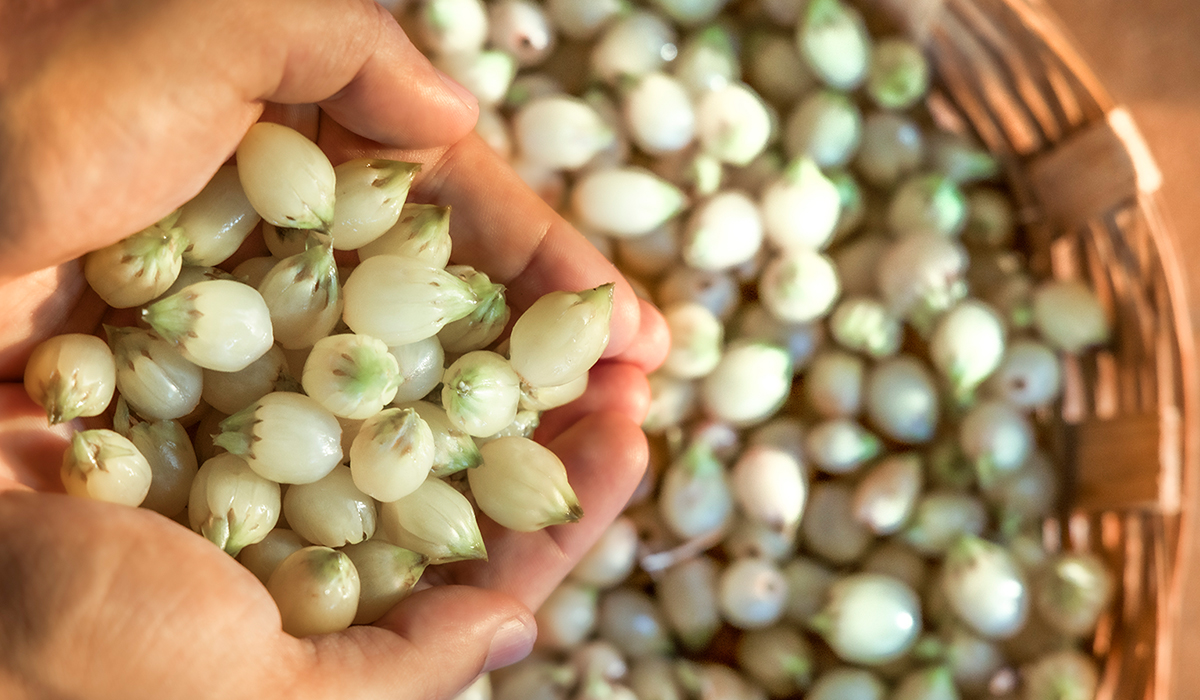
Mahua isn’t just another flavor profile. It comes from a completely different raw material ecosystem.
Unlike grape or grain-based finishes, mahua brings:
What this really means is the spirit doesn’t just get “flavor notes”—it gets a new identity layer.
Take a classic single malt.
On its own, you expect notes like vanilla, caramel, oak, maybe spice.
Now introduce a mahua cask finish.
Suddenly:
It doesn’t overpower the malt. It reframes it.
This kind of finishing needs precision. Too short, and it does nothing. Too long, and it overwhelms the base.
Crazy Cock Single Malt has been experimenting with this balance, using mahua cask finishing to introduce a distinctly Indian layer to a traditionally global category.
The result feels familiar—but with something unexpected underneath.
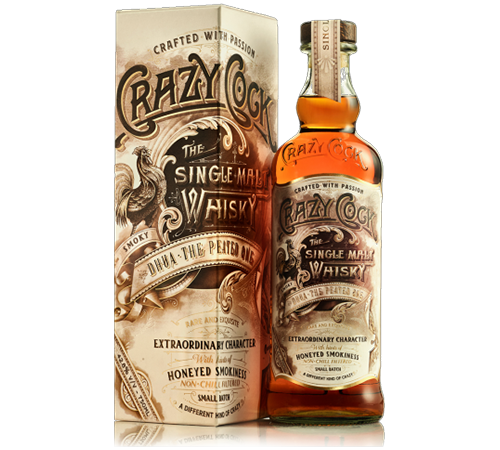
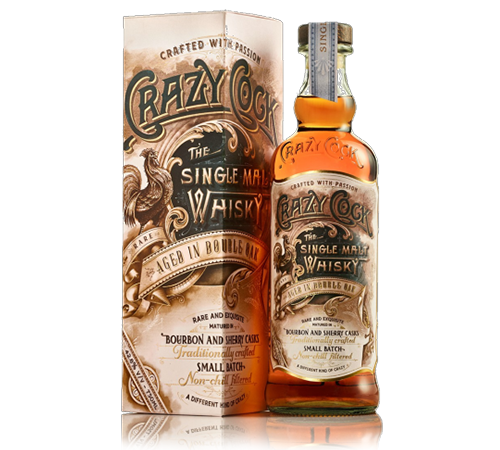
Similarly, expressions like Crazy Cock Rare and Crazy Cock Dhua show how different base profiles react to mahua finishing. A lighter spirit absorbs floral sweetness, while a smoky one creates contrast—sweet meets smoke.
Cask finishing is often about refinement.
Mahua finishing is about differentiation.
It introduces a flavor that doesn’t come from Europe or the US. It’s rooted here, in India’s own fermentation heritage.
What you’re seeing is a move away from copying global styles toward building something original.
Mahua cask finishing isn’t just a technique. It’s a signal that Indian spirits are starting to define their own taste language.
Traditional finishes like sherry or bourbon add predictable flavors such as sweetness, spice, or dried fruit. Mahua cask finishing introduces a more complex and less familiar profile—floral sweetness, earthy depth, and a slightly wild character that reshapes the spirit rather than just enhancing it.
Not necessarily in alcohol content, but it often feels more inIt adds a soft, honey-like floral sweetness, balanced earthiness, and a unique fermented fruit note. It also smoothens sharp edges and creates a more layered, lingering finish.
When done correctly, it doesn’t overpower. Instead, it complements and reframes the base spirit. The goal is balance—enhancing the original character while adding a distinctive new layer.
Single malts, especially those with lighter or moderately complex profiles, tend to absorb mahua characteristics well. Smoky spirits can also create an interesting contrast, where sweetness meets smoke.
Yes, mahua is native to India, and its use in cask finishing reflects local fermentation traditions. This makes it a distinctly Indian innovation in the global spirits industry.
The duration varies depending on the desired flavor profile. A shorter finish adds subtle notes, while a longer finish deepens the mahua influence. Timing is critical to avoid overpowering the base spirit.
Mahua has a long cultural and fermentation history in India. Its natural sugars and floral characteristics make it ideal for creating complex, layered flavor profiles when used in cask finishing.
Lighter spirits tend to highlight mahua’s floral and sweet notes, while richer or smoky expressions create contrast, blending sweetness with deeper, bolder flavors.
Because it introduces something genuinely new. Instead of replicating global styles, it brings a regional identity into premium spirits—offering a flavor profile that stands apart in a crowded market.