-
Heritage Edition
-
Media
When people hear the word “blending” in whisky, they often assume it refers to mixing different types of spirits. But in the world of Indian single malt, blending exists in a far more nuanced form—one that does not involve combining different categories, but instead refines complexity within a single identity.
This is the art of internal blending.
In single malt whisky, distillers work with multiple casks, batches, and maturation stages to shape a final profile that feels cohesive, balanced, and intentional. It is a quiet craft—often invisible to the consumer—but essential to creating a consistent and premium single malt whiskey experience.
Unlike blended whisky, single malt is made from:
However, this does not mean it comes from a single barrel.
Every bottle of Indian single malt is typically:
This is where the real blending happens.
One of the key challenges in single malt whisky is maintaining consistency across batches. Internal blending helps:
By combining different casks, distillers can:
Each cask used in single malt whiskey contributes:
The goal in Indian single malt is not to highlight one cask, but to:
Distillers begin by:
Selected casks are then:
The result is a single malt whisky that:
Blending within single malt relies heavily on:
Every step requires:
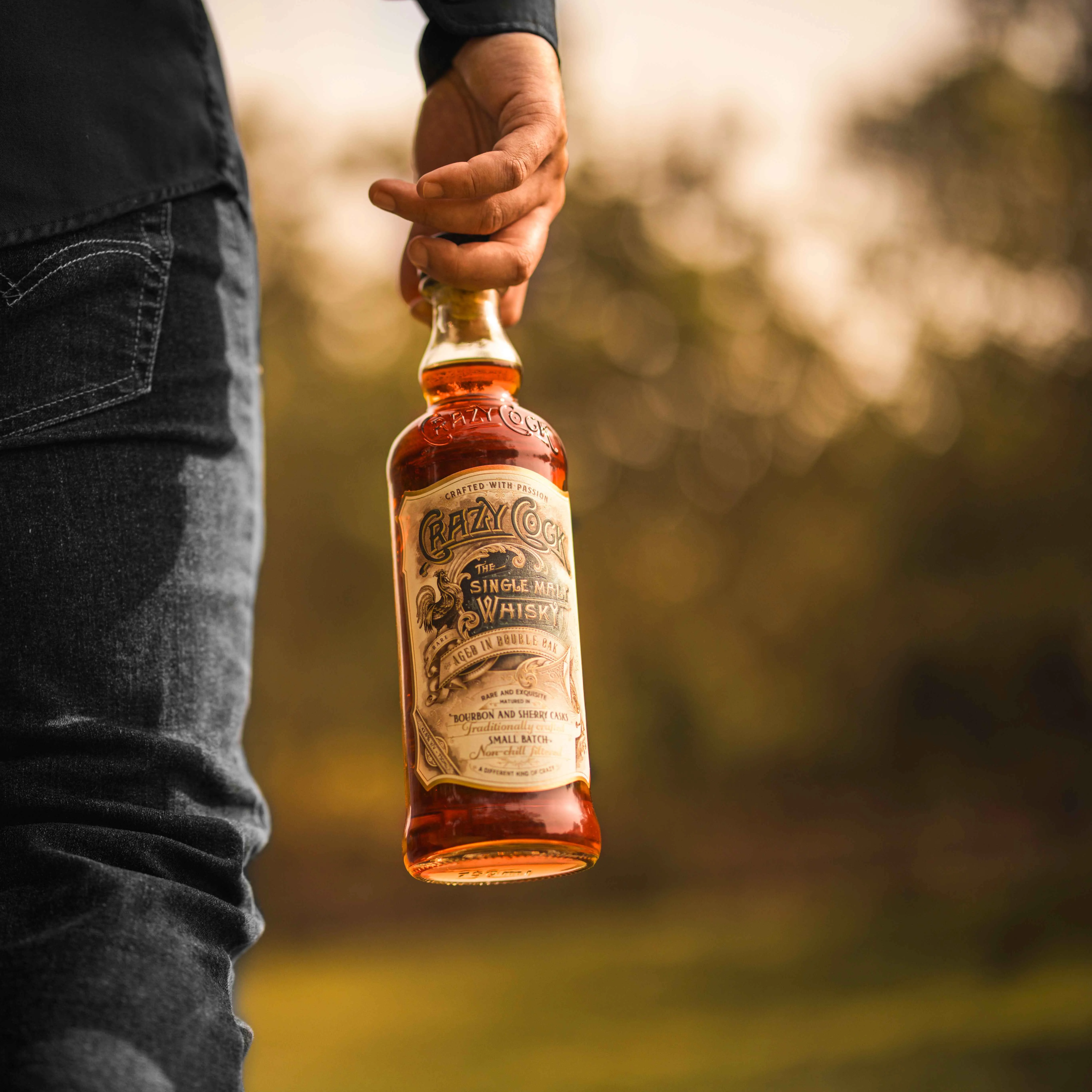
Crazy Cock’s Indian single malt reflects:
Through internal blending, the brand ensures its single malt whiskey:
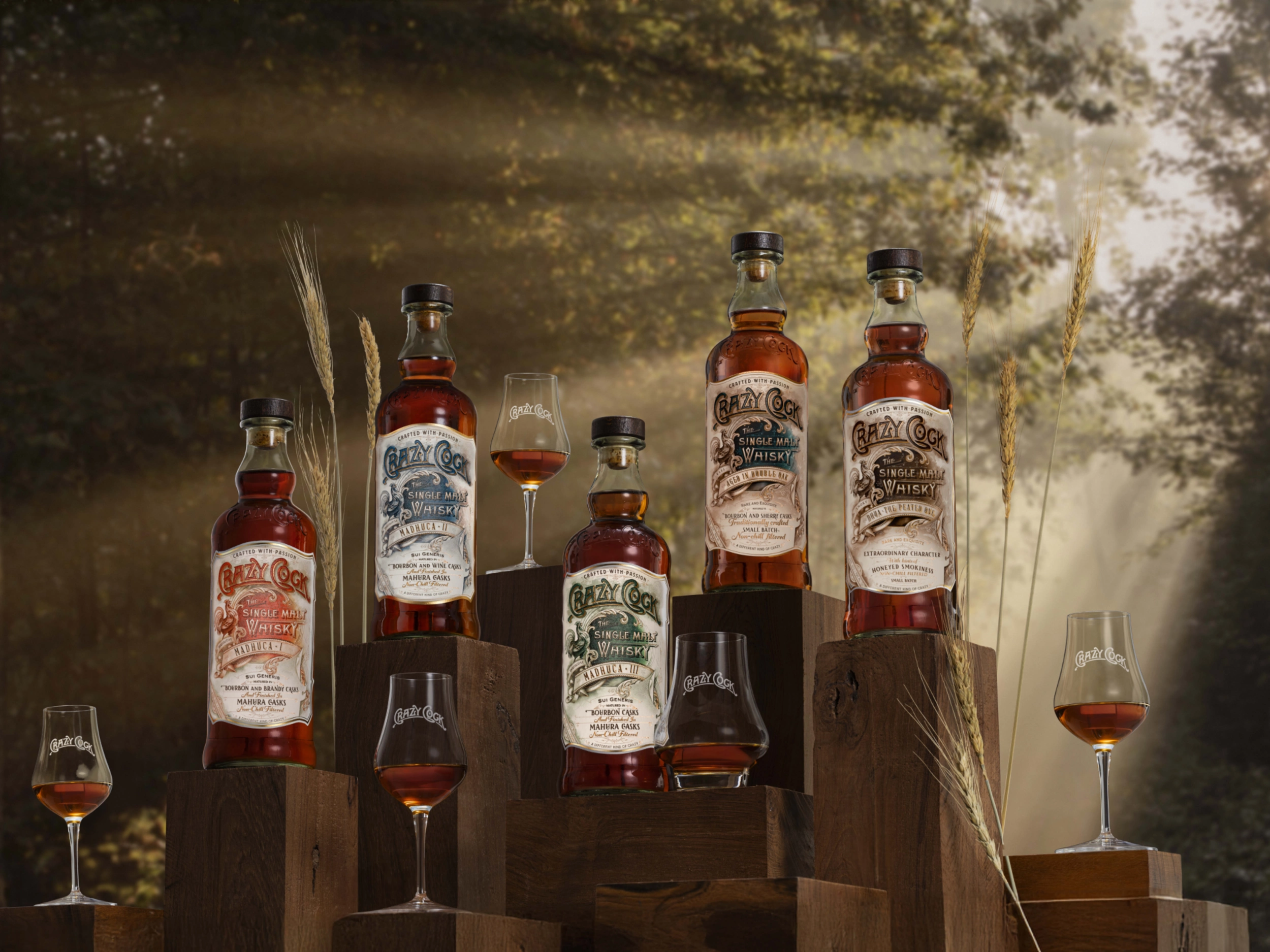
References to expressions like Madhuca I, Madhuca II, Madhuca III, Dhua, and Rare highlight how controlled blending contributes to distinct yet cohesive profiles within the broader single malt whisky portfolio.
Blending involves:
At the same time, Indian single malt relies on:
For the drinker, internal blending ensures:
While not always visible, this process allows single malt whisky to:
As the category evolves, Indian single malt will likely see:
Internal blending will continue to help single malt:
Blending within single malt whisky is one of the most important yet least visible aspects of production.
It is not about mixing different spirits—it is about shaping a single identity through careful selection, balance, and integration. For Indian single malt, this process ensures that every bottle delivers both consistency and complexity.
Because in the end, great single malt whiskey is not just made—it is composed.