-
Heritage Edition
-
Media
If you’re new to whiskey in India, the labels can get confusing fast.
whiskey. Indian single malt whisky. Blended whisky. Premium whisky.
What’s the difference? And where should a beginner start?
Let’s break it down clearly so you know exactly what you’re drinking and why it matters.
Indian whiskey is a broad category. It includes multiple styles produced in India.
Traditionally, much of Indian whiskey has been:
Over time, the category evolved. Today, Indian whiskey includes everything from everyday blends to premium, globally competitive expressions.
But not all Indian whiskey is the same.
And that’s where Indian single malt whisky enters the conversation.
Indian single malt whisky follows stricter standards.
It must be:
That “single” refers to one distillery.
That “malt” refers to malted barley as the only grain.
So when you choose Indian single malt whisky, you’re choosing craftsmanship over blending shortcuts.
Here’s the difference in simple terms:
| Feature | Indian Whiskey | Indian Single Malt Whisky |
|---|---|---|
| Grain Type | Often mixed grains | 100% malted barley |
| Production | May involve blending | Single distillery production |
| Complexity | Can vary widely | Typically richer and layered |
| Target Market | Mass to premium | Premium segment |
For beginners, this distinction matters.
If you want something smooth and easy for casual sipping, Indian whiskey blends may work.
If you want depth, structure, and flavor evolution in the glass, Indian single malt whisky is the better choice.
Here’s something many beginners don’t realize.
India’s climate changes everything.
What takes 15–20 years in cooler countries can happen in 5–7 years in India.
This doesn’t mean rushed whiskey. It means faster interaction with wood.
The result?
Indian single malt whisky now competes confidently on the global stage because of this unique maturation advantage.
Understanding the process makes the category less intimidating.
Barley is soaked and germinated to activate enzymes.
Hot water extracts fermentable sugars.
Yeast converts sugar into alcohol and builds early flavor.
Copper pot stills create a richer, heavier spirit compared to column distillation.
The spirit ages in oak casks, often ex-bourbon or sherry barrels.
Climate then does its magic.
Indian whiskey blends usually offer:
Indian single malt whisky typically delivers:
Peated expressions may add:
For beginners, balance is key. You don’t want something overpowering.
If you see peated on a label, it means the barley was dried using peat smoke.
Peated Indian single malt whisky:
Non-peated expressions:
If you’re unsure, start non-peated. Then explore peat.
Keep it simple.
Start with a small pour at room temperature.
Water opens aroma and softens alcohol.
A tulip-shaped glass helps concentrate aromas.
Avoid drowning it in soda. If you want to understand single malt, taste it clean first.
It sits in the premium category.
But here’s what you’re paying for:
The value comes from depth and structure, not just branding.
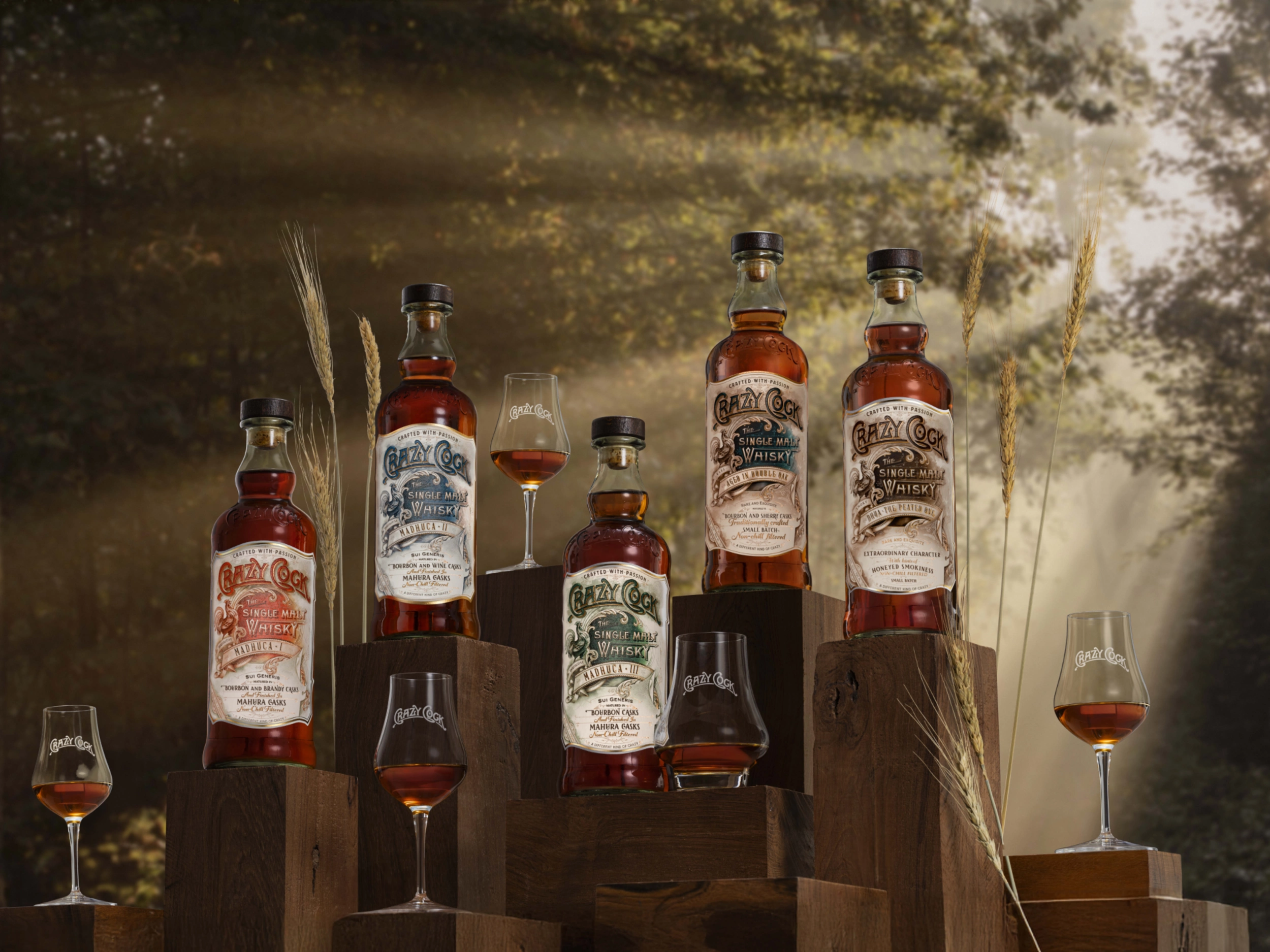
If you’re stepping into Indian single malt whisky for the first time, Crazy Cock Single Malt Whisky offers clarity.
It represents what modern Indian single malt whisky is doing right:
Expect:
It’s approachable but structured. Perfect for beginners who want to experience complexity without being overwhelmed.
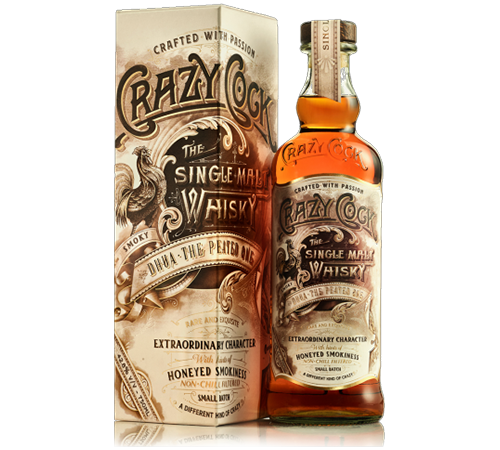
For those curious about peat:
It shows that smoky Indian single malt whisky can be elegant, not overpowering.
Both expressions reflect careful maturation suited to India’s climate, delivering maturity and character that compete globally.
Start with one balanced expression. Spend time with it.
Notice:
Then compare:
Whisky appreciation grows through contrast.
Also Read : Single Malt Whisky Is Going Global — Here’s Why 2026 Is the Year India Takes the Lead
Indian whiskey and Indian single malt whisky are not the same thing.
One is broad and varied.
The other is focused and craft-driven.
If you’re serious about exploring whiskey beyond casual mixing, Indian single malt whisky is where depth begins.
And for beginners looking for a confident introduction,Crazy Cock Single Malt Whisky provides a clear, balanced entry into the world of premium Indian single malts.
Once you understand the difference, your choices become smarter.
And your glass becomes more interesting.
What is the difference between Indian whiskey and Indian single malt whisky?
Indian single malt whisky is made from 100% malted barley
at a single distillery, while Indian whiskey can include blended or mixed-grain styles.
Is Indian single malt whisky good for beginners?
Yes. Balanced expressions are approachable while still offering complexity.
Is Indian single malt whisky aged faster?
Yes. India’s warm climate accelerates maturation compared to cooler regions.
Should beginners try peated Indian single malt?
Start with non-peated first, then explore peated expressions if you enjoy smoky flavors.
Is Crazy Cock Single Malt suitable for first-time single malt drinkers?
Yes. Its balanced profile makes it an accessible yet refined starting point.