-
Heritage Edition
-
Media
When tasting Indian single malt or single malt whisky, many people notice an interesting shift—the first sip often feels sharper or more intense, while later sips become smoother and more balanced.
This change is not accidental. It is influenced by how the palate adapts, how aromas evolve, and how the spirit interacts with air and temperature over time. Whether you are exploring Madhuca I, Madhuca II, Madhuca III, Dhua, or Rare, this progression is a natural part of the experience.
Understanding why this happens adds depth to how single malt whiskey is appreciated.
The first sip of single malt whisky often feels stronger because:
This creates a sharper perception.
Alcohol can temporarily affect sensory receptors, causing:
This defines the first impression.
After the first sip, the palate begins to adjust. This leads to:
This is why later sips feel more balanced.
With adaptation, Indian single malt reveals:
This enhances appreciation of expressions like Madhuca II and Rare.
As whisky sits in the glass, it interacts with air. This process allows:
This is often referred to as the whisky “opening up.”
With slight oxygen exposure, single malt whiskey may:
This contributes to the difference between first and last sip.
As whisky rests, its temperature can rise slightly due to:
This affects flavour perception.
Warmer single malt whisky can:
Each sip interacts with saliva, which slightly dilutes the whisky. This can:
This effect becomes more noticeable over time.
With slight dilution, Indian single malt may reveal:
This enhances the overall experience.
The first sip is often influenced by expectation, while later sips benefit from familiarity. This leads to:
This shift changes the experience.
As the palate adjusts, drinkers are more likely to:
This adds depth to tasting.
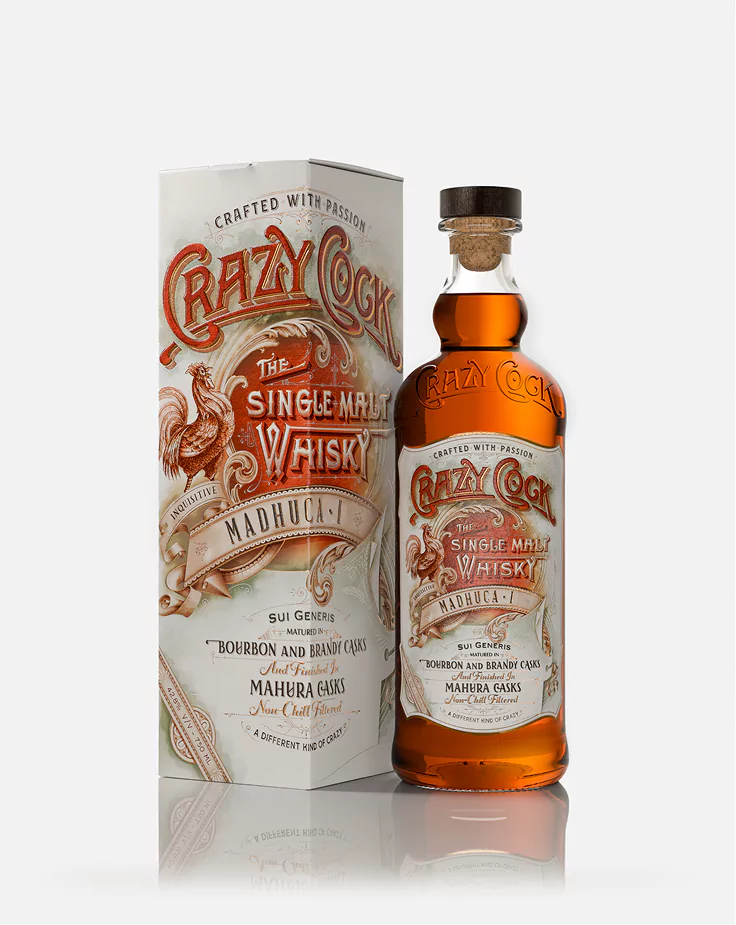
The contrast between first and last sip can vary depending on the whisky. For example:
This depends on flavour intensity.
More complex single malt whiskey tends to:
This makes repeated sipping more rewarding.
The difference between the first and last sip of Indian single malt is a reflection of how both the whisky and the palate evolve during tasting.
From initial alcohol impact to gradual adaptation, from oxygen exposure to slight dilution, each factor contributes to a changing experience. In single malt whisky, this progression is part of what makes tasting engaging and layered.
Whether enjoying Madhuca I, Madhuca II, Madhuca III, Dhua, or Rare, recognising this shift allows for a deeper appreciation of the spirit.
Because in single malt whiskey, every sip is not just a repetition—it is a continuation of the journey.