-
Heritage Edition
-
Media
When discussing single malt whisky, most attention is often given to distillation or aging. However, one of the most critical stages in shaping flavour happens much earlier—during fermentation.
For Indian single malt, fermentation is not just a technical step. It is the stage where raw ingredients begin transforming into a complex liquid full of potential. The length of fermentation plays a significant role in determining how that potential develops into the final profile of a single malt whiskey.
Understanding fermentation time offers a deeper appreciation of how flavour is built from the ground up.
Fermentation in single malt whisky involves:
While alcohol production is the goal, fermentation in Indian single malt also produces:
A shorter fermentation period in single malt whiskey typically results in:
Extending fermentation in Indian single malt allows:
In the early stage of fermentation, yeast:
As fermentation continues in single malt whisky, yeast begins to:
Esters contribute to single malt by adding:
These compounds influence:
Acids help Indian single malt achieve:
If fermentation is too brief, single malt whisky may:
If extended excessively, single malt whiskey can:
The ideal fermentation time in Indian single malt depends on:
The compounds created during fermentation directly influence:
Without proper fermentation, even well-executed distillation cannot fully shape single malt whisky.
Fermentation time affects how single malt feels:
This contributes to how Indian single malt is experienced on the palate.
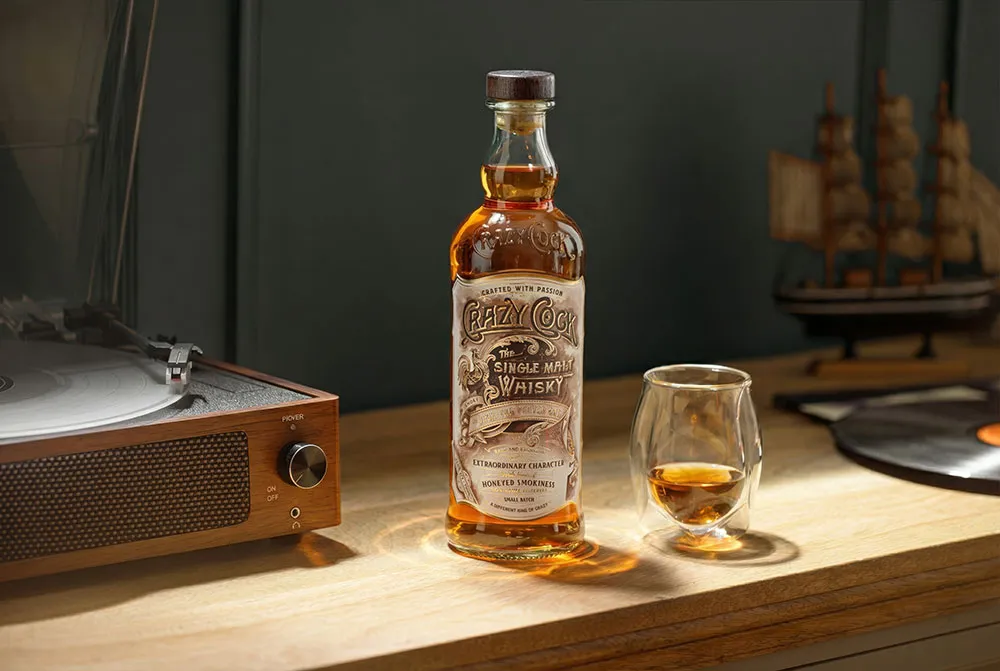
Crazy Cock’s Indian single malt reflects:
By refining fermentation, the brand ensures its single malt whiskey:
Expressions such as Madhuca I, Madhuca II, Madhuca III, Dhua, and Rare demonstrate how early-stage precision contributes to distinct yet cohesive outcomes across the single malt whisky range.
Most discussions around Indian single malt focus on:
However, fermentation quietly determines:
Producers may explore:
This will allow single malt whisky to:
Fermentation is where single malt whisky truly begins to take shape.
For Indian single malt, the length of this process determines how flavours develop, evolve, and integrate into the final spirit. It is a stage where science meets intuition, and where small changes can have a lasting impact.
Because before a single malt whiskey is aged, finished, or bottled—it is first created through fermentation.