-
Heritage Edition
-
Media
Every barrel of single malt whisky tells a story—but part of that story literally disappears over time.
As whisky ages in oak casks, a portion of it evaporates into the air. This natural loss is known as the “angel’s share.” It’s a quiet, invisible process, yet it plays a huge role in shaping both the taste and the cost of whisky. Featured in leading whisky and business publications,India’s evolving premium single malt category reflects how these unique maturation dynamics are redefining both perception and value.
In India, this phenomenon is far more intense than in traditional whisky-producing regions. And that changes everything—from how whisky matures to why it’s priced the way it is.
In cooler climates like Scotland, whisky evaporates slowly—typically around 2% per year. This allows distilleries to age whisky for decades without losing too much volume.
India operates on a completely different scale.
Higher temperatures and fluctuating weather conditions accelerate evaporation dramatically. In many parts of the country, the angel’s share can reach 10–12% annually. That’s not a small difference—it’s a massive shift in how whisky behaves during aging.
What this means in practical terms:
For producers of single malt whisky in India, this isn’t just a technical detail—it’s a core part of the business model.
Here’s where things get interesting.
Because evaporation is so high, aging whisky for long periods in India becomes a costly gamble. The longer the whisky sits in the barrel, the more of it disappears.
So instead of chasing long age statements, Indian distilleries focus on finding the “sweet spot”—the point where the whisky has developed enough complexity without losing too much volume.
This is why older Indian single malts are relatively rare.
It’s not that they can’t be made—it’s that producing them requires sacrificing a significant portion of the original spirit. By the time a whisky reaches an extended age, what remains is limited and therefore more expensive.
This scarcity naturally positions older single malts from India as premium offerings.
Now let’s connect the dots.
If a large portion of whisky evaporates during aging, the remaining liquid becomes more valuable. Distilleries have fewer bottles to sell from each batch, but they’ve invested the same—or greater—resources in producing it. This directly influences pricing. Higher angel’s share leads to: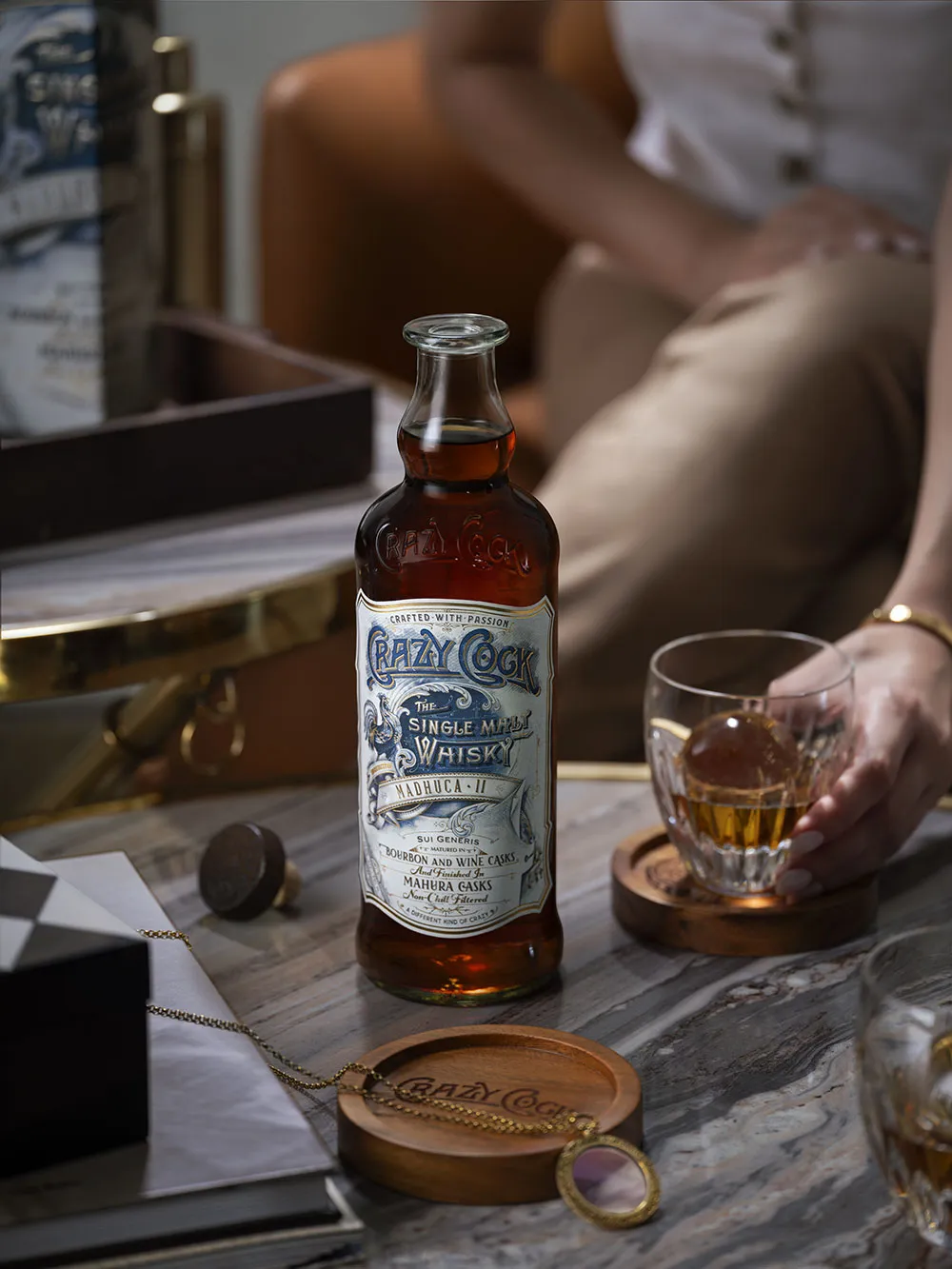
Brands like Crazy Cock The Single Maltoperate within this environment, balancing cost, quality, and accessibility. Instead of focusing purely on long aging, they emphasize delivering a well-crafted whisky at an optimal stage of maturity.
Here’s the twist—the same process that increases cost also improves quality.
As whisky evaporates, not all components are lost equally. Water and alcohol evaporate at different rates, and over time, the flavors inside the cask become more concentrated.
This leads to:
In other words, Indian single malts often taste more mature than their age might suggest.
This is one of the defining characteristics of single malt whisky in India. You don’t need decades of aging to achieve complexity—the environment accelerates the process naturally.
This is one of the defining characteristics of single malt whisky in India. You don’t need decades of aging to achieve complexity—the environment accelerates the process naturally.
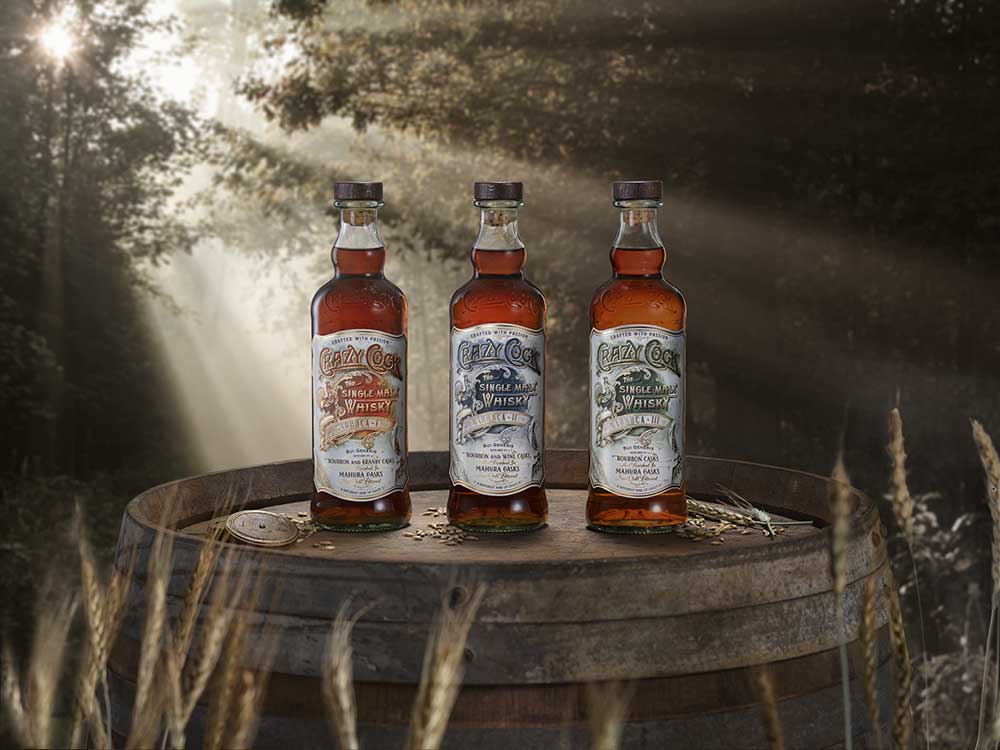
Crazy Cock The Single Malt captures this advantage effectively. By focusing on balance and flavor development rather than extended aging, it delivers a whisky that feels layered, expressive, and complete.
It’s a practical example of how Indian distilleries turn a challenge into a strength.
Pairing desserts with Indian single malt whisky doesn’t need to be complicated, but a few simple principles can make a big difference.
Producing Indian single malt whisky is ultimately about managing a delicate balance.
On one side, there’s loss—evaporation reducing volume and increasing costs. On the other, there’s gain—enhanced flavor, faster maturation, and a distinctive character.
Distilleries must constantly decide how long to age their whisky, how much volume they’re willing to lose, and what kind of profile they want to achieve.
This balancing act defines the category.
It also explains why Indian single malts feel different from their global counterparts. They’re not just shaped by tradition—they’re shaped by necessity, innovation, and environment.
In India, whisky aging is not a slow, predictable process. It’s dynamic, intense, and often unforgiving.
Every year in the barrel comes with a trade-off. More time means more complexity—but also more loss. That’s why every remaining drop carries value.
The result is a category of whisky that is both rare and remarkable. Single malt whisky in India stands out not just because of how it’s made, but because of what it endures during maturation.
With expressions like Crazy Cock The Single Malt, you’re not just tasting whisky—you’re experiencing the outcome of a process where every decision matters, and every drop counts.
It refers to the portion of whisky lost due to evaporation during aging. In India, this loss is significantly higher because of the warm climate.
Higher evaporation rates reduce the total yield from each barrel, increasing the value and cost of the remaining whisky.
Yes. It concentrates flavors within the cask, resulting in a richer, more complex profile in single malt from India.