Crazy Cock

How Cut Points in Distillation Define the Character of Single Malt Whisky

Home / Blog / How Cut Points in Distillation Define the Character of Single Malt Whisky
Posted on 15 June 2026

How Cut Points in Distillation Define the Character of Single Malt Whisky

Introduction: Precision That Shapes Character

Distillation is one of the most defining stages in the creation of Indian single malt. While fermentation builds the foundation, it is during distillation that the spirit begins to take its final shape.

Within this process, one of the most critical decisions revolves around cut points—the exact moments when the distiller separates different portions of the distillate. These decisions have a direct impact on the flavour, aroma, and structure of single malt whisky.

For single malt whiskey, cut points are not just technical choices—they are creative ones. They determine whether the spirit will be light or rich, smooth or bold, delicate or intense.

Understanding Distillation in Whisky

The Purpose of Distillation

In the production of Indian single malt whisky, distillation serves to:

  • Separate alcohol from the fermented liquid
  • Concentrate desirable compounds
  • Remove unwanted elements

A Continuous Process of Separation

As the liquid is heated, different compounds evaporate at different temperatures. This creates multiple fractions within single malt whisky, each with distinct characteristics.

Also Read The Rise of Signature Flavor Profiles in Indian Single Malt Whisky

What Are Cut Points?

Defining the Concept

Cut points refer to:

  • The moments when the distiller switches between fractions
  • The separation of early, middle, and late distillate

Why They Matter

In single malt whiskey, these decisions determine:

  • Which compounds are included
  • Which are excluded
  • How the final spirit will taste

The Three Main Fractions

Heads (Foreshots)

The first portion of the distillate in single malt whisky:

  • Contains volatile compounds
  • Often sharp or harsh
  • Typically removed

Hearts

The central portion of Indian single malt:

  • Clean and balanced
  • Rich in desirable flavours
  • Forms the core of the spirit

Tails (Feints)

The final portion in single malt whiskey:

  • Heavier compounds
  • Oily textures
  • Can add depth if used carefully

How Cut Points Influence Flavor

Narrow vs Wide Cuts

In single malt whisky:

  • Narrow cuts (focusing on the heart) create cleaner, lighter spirits
  • Wider cuts (including parts of heads or tails) create richer, heavier profiles

Flavor Control

By adjusting cut points, producers of Indian single malt can:

  • Increase complexity
  • Enhance smoothness
  • Control intensity

Impact on Aroma and Texture

Aroma Development

Cut points influence the aroma of single malt whiskey by:

  • Including or excluding volatile compounds
  • Shaping the nose
  • Defining aromatic balance

Mouthfeel and Structure

In single malt, cut decisions affect:

  • Body and weight
  • Oiliness
  • Overall texture

Also Read Why Indian Single Malt Whisky Is Winning International Awards Faster Than Ever

Consistency Through Precision

Repeatability

Maintaining consistent cut points ensures that Indian single malt whisky:

  • Tastes the same across batches
  • Meets defined standards
  • Builds consumer trust

Monitoring and Control

Distillers closely monitor single malt whisky during distillation to:
  • Identify exact cut points
  • Adjust for variation
  • Maintain quality
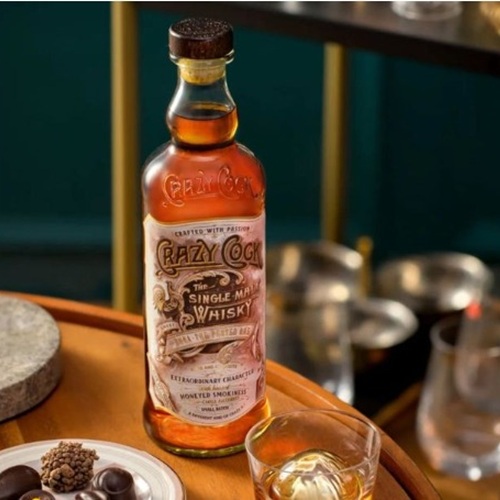
Crazy Cock - Indian single malt whisky
Crazy Cock Single Malt Whisky

Crazy Cock and Distillation Control

Precision in Process

Crazy Cock’s Indian single malt whisky reflects:

  • Careful control of distillation
  • Thoughtful selection of cut points
  • Consistent flavour outcomes

Expression Across the Portfolio

In Madhuca I, Madhuca II, Madhuca III, Dhua, and Rare, cut point decisions contribute to:

  • Distinct character
  • Balanced profiles
  • Defined identity

Balancing Cleanliness and Complexity

Finding the Right Balance

Cut points in single malt whisky must strike a balance between:

  • Clean, refined spirit
  • Rich, complex character

Avoiding Extremes

Too narrow cuts in Indian single malt can:

  • Reduce complexity

Too wide cuts can:

  • Introduce harshness

The Art Behind the Science

Technical Yet Creative

While cut points in single malt whiskey are based on science, they also involve:

  • Experience
  • Judgment
  • Sensory evaluation

Signature Style

Each producer of single malt develops:

  • A consistent approach
  • A recognizable style
  • A defined character

The Future of Distillation Precision

Advancing Techniques

As Indian single malt whisky evolves, distillation will:

  • Become more refined
  • Use better monitoring tools
  • Improve accuracy

Enhancing Quality

This will allow single malt whisky to:

  • Maintain consistency
  • Improve balance
  • Deliver better experiences

Conclusion: Defining Character Through Precision

Cut points are one of the most powerful tools in shaping Indian single malt. They determine what is kept, what is removed, and ultimately, what defines the spirit.

In single malt whisky, precision in distillation leads to clarity, balance, and identity. For single malt whiskey, it is this careful control that transforms raw distillate into a refined product.

Because in whisky making, character is not accidental—it is carefully selected.