-
Heritage Edition
-
Media
If you strip spirits down to their essentials, three things matter:
Raw material, distillation, and maturation.
Cask finishing sits inside that third piece—and it’s where a lot of modern innovation is happening, especially with the emergence of the world’s first Mahura cask-finished Indian single malt.
For centuries, oak has been the default.
Why?
Because it works.
It adds structure, vanilla notes, spice, and allows slow oxidation. Whether it’s bourbon, whisky, or rum—oak is the baseline.
Then came finishing.
Producers started experimenting with secondary casks:
Each added a predictable twist.
But they all came from similar fermentation cultures—grape or grain.
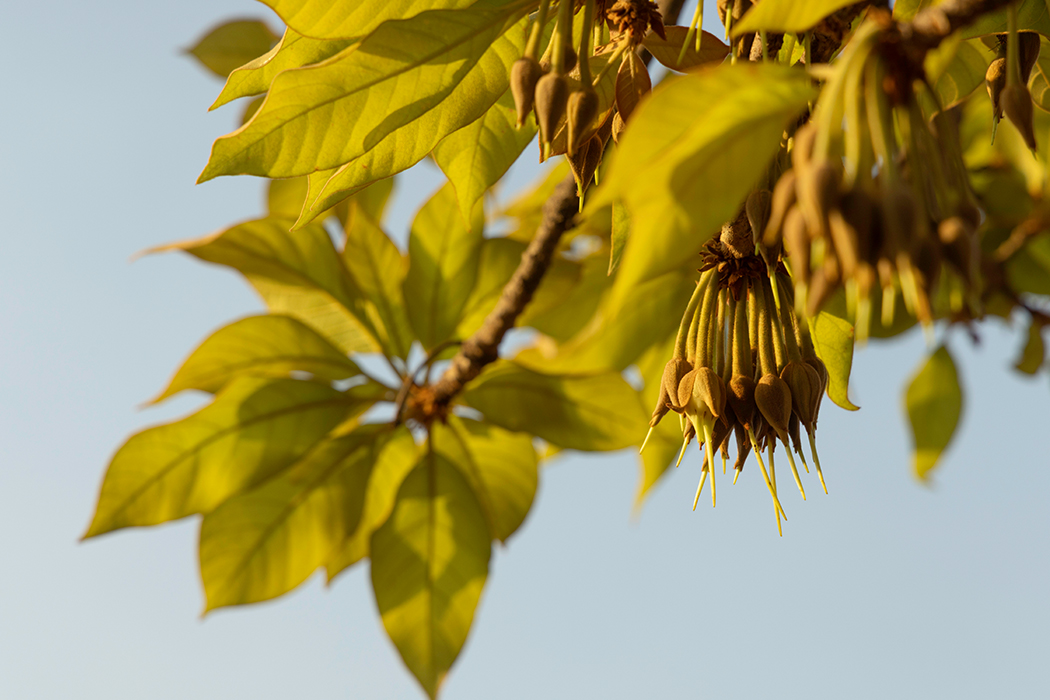
Mahua changes the game because it comes from a completely different origin.
Not grain. Not grape.
A flower.
That alone shifts the flavor interaction.
Mahua casks bring:
It doesn’t behave like wine or sherry. It behaves like something entirely its own.
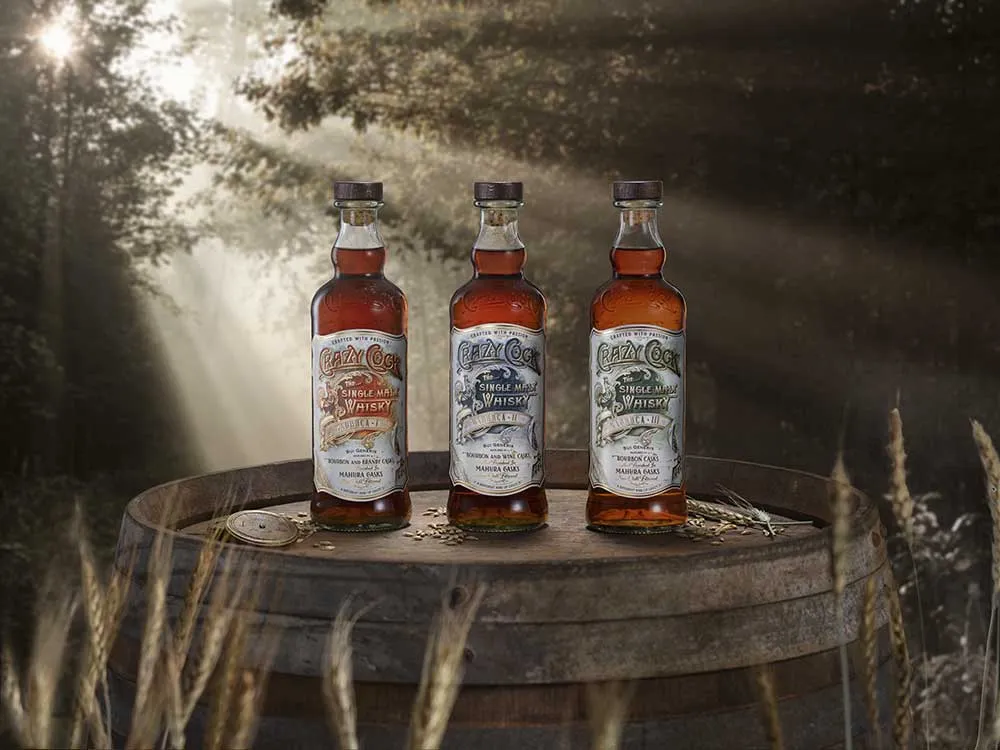
This isn’t theoretical anymore.
Madhuca 1, Madhuca 2, and Madhuca 3 explore mahua from the source—showing what the base ingredient contributes before it even reaches a cask.
On the other side, Crazy Cock Single Malt and its variants apply mahua at the finishing stage—demonstrating how it transforms an already matured spirit.
Together, they show both ends of the spectrum:
Cask finishing used to be about variation.
Now it’s about identity.
Mahua casks represent a shift toward region-specific innovation—using what’s locally available to create something globally distinct.
The future of spirits isn’t just about aging longer or distilling better.
It’s about using the right influences at the right stage.
Mahua casks aren’t replacing oak.
They’re expanding what’s possible after oak has done its job.
Cask finishing is the process of transferring a matured spirit into a different barrel for a final aging phase. This secondary cask adds new layers of aroma, texture, and flavor to the spirit.
Oak is durable, porous, and rich in compounds that enhance flavor. It adds notes like vanilla, spice, and caramel while allowing controlled oxidation, which improves texture and complexity.
Producers began experimenting with secondary casks such as sherry, wine, and port to introduce new flavor dimensions. This marked a shift from standard maturation to more customized flavor development.
Mahua casks come from a flower-based fermentation source, unlike traditional grape or grain casks. This gives them a unique ability to add floral sweetness, subtle earthiness, and a more integrated finish.
They typically add soft, rounded sweetness, light floral notes, and a slightly fermented fruit character. The finish tends to feel smoother and more layered rather than sharp or overly bold.
No. Oak remains essential for primary maturation. Mahua casks are used after oak aging to enhance and expand the flavor profile, not replace the foundational role of oak.
Mahua can be used as a base ingredient in spirits or as a finishing influence through casks. This allows producers to explore both ingredient-driven and maturation-driven expressions.